Introduction
In today’s fast-evolving digital landscape, tech startups often begin their online journey using shared hosting due to its cost-effectiveness and simplicity. However, as they scale, the demands on their hosting services can increase, necessitating a switch to a more robust solution. Understanding when and why to make this transition is crucial for ensuring sustained growth and performance. In this guide, you’ll explore the intricacies of moving from shared hosting to a Virtual Private Server (VPS) and how this shift can benefit your startup.
The Journey from Shared to VPS Hosting
Understanding the Basics
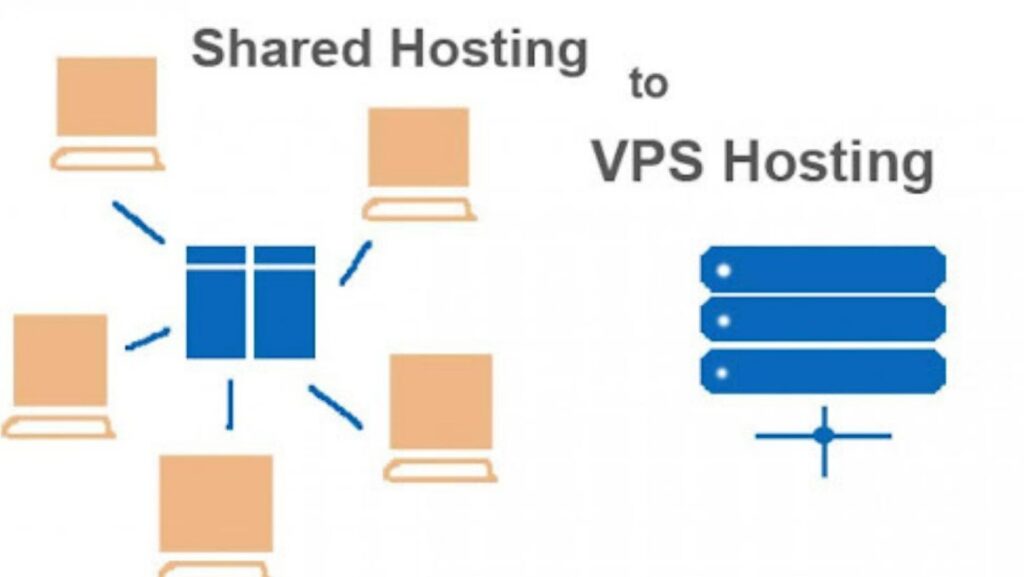
Shared hosting is a service where multiple websites reside on a single server, sharing resources such as CPU, memory, and bandwidth. This type of hosting is often the entry point for many startups due to its low costs and ease of use. However, the shared nature of the server means that heavy traffic on one site can impact others.
On the other hand, a Virtual Private Server (VPS) offers a middle ground between shared hosting and dedicated servers. With VPS, you still share a physical server with other users, but you have dedicated resources thanks to virtualization technology. This ensures stable performance as your site grows, providing a level of control and customization similar to a dedicated server but at a reduced cost.
Key Differences Between Shared and VPS
When comparing shared hosting and VPS, several critical differences stand out, impacting your startup’s performance and control.
- Resource Allocation: With shared hosting, resources are distributed among multiple users, leading to potential performance issues during peak traffic. VPS, however, allocates dedicated resources, ensuring consistent performance.
- Security: Shared hosting carries higher security risks due to the sheer number of websites sharing the server. In contrast, VPS offers isolated environments, reducing the risk of cross-site vulnerabilities and enhancing overall security.
- Customization: Shared hosting often restricts server-level customization, limiting startups from implementing specific configurations. VPS provides full root access, allowing greater control over the server settings and software installations.
- Scalability: While shared hosting is limited in its scalability, VPS can grow with your startup by easily upgrading its resources to match increasing demands.
- Cost: Although shared hosting is generally cheaper, the additional benefits of VPS often justify the higher price, especially as your startup expands.
These distinctions often make VPS a more attractive option as startups mature and seek more stable and secure hosting solutions.
Assessing the Need for Change
Signs That It’s Time to Move On
Knowing when to transition from shared hosting to VPS can be pivotal for your startup’s success. Here are some indicators that suggest it’s time to make the switch:
- Increased Traffic: If your website traffic frequently spikes or consistently grows, shared hosting may no longer efficiently serve your growing audience. This is a strong sign that dedicated resources are required.
- Performance Issues: Frequent slow loading times or server downtimes are common red flags. These issues can frustrate users and negatively affect their experience and business operations.
- Security Concerns: Experiencing security breaches or attacks on neighboring websites could compromise your data. Enhanced security measures available in VPS hosting become crucial at this stage.
- Need for Customization: If there’s a need to install specific software or customize server settings beyond shared hosting capabilities, upgrading can provide the flexibility needed.
- Scaling Plans: Planning a website redesign or launching new features often necessitates more robust resources. VPS hosting enables this growth without technical roadblocks.
By recognizing these signs early on, startups can better prepare to leverage the enhanced capabilities of VPS hosting, ensuring they meet their current and future digital demands.
Common Triggers for Transition
Several common triggers often motivate startups to transition from shared hosting to VPS. These triggers typically arise as startups expand and their needs become more complex.
- Launch of New Features: Introducing new applications or advanced functionalities can strain shared hosting resources, prompting a need for a more robust solution like VPS.
- Data Growth: As your startup accumulates more data, whether through customer interactions or business operations, the increased storage and processing demands may necessitate an upgrade.
- Market Expansion: Entering new markets often results in higher traffic and user interactions from different geographic locations, requiring enhanced hosting capabilities for optimal performance.
- Customer Feedback: Increasing complaints about website speed or reliability from users can be a clear signal that your current hosting setup isn’t meeting customer expectations.
- Regulatory Requirements: Adherence to new industry standards or compliance regulations may require additional security protocols or data management capacities available through VPS hosting.
Understanding these triggers can help startups anticipate changes and prepare for a smooth transition to VPS, ensuring they remain competitive and capable of delivering excellent user experiences.
Why Startups Should Consider VPS
Growth Potential with VPS
Opting for VPS hosting unlocks significant growth potential for tech startups, providing the scalability and resources needed to support expansion. With VPS, you have the ability to easily adjust resources such as CPU, RAM, and storage to adapt to shifting business demands, ensuring that performance levels remain high as traffic and data needs grow.

Furthermore, VPS enables the integration of advanced tools and custom applications that might not be feasible on shared hosting. This allows startups to experiment with innovative ideas and deploy them without the limitations tied to shared environments. Additionally, the finer control over server configurations and installations empowers startups to optimize their platforms according to specific business objectives.
By enhancing flexibility and scalability, VPS can act as a catalyst for innovation, helping startups to expand their offerings and enter new markets with confidence.
Enhanced Performance Benefits
VPS hosting offers several performance-enhancing benefits that can significantly boost your startup’s website efficiency. Firstly, dedicated resources mean you’re not competing for CPU or bandwidth, resulting in faster load times and more reliable server performance – an essential factor for user satisfaction and retention.
Secondly, VPS offers superior uptime compared to shared hosting, reducing the risk of any downtime that could disrupt operations or hamper user experience. This reliability is crucial for maintaining customer confidence, especially for startups heavily reliant on their digital presence.
Furthermore, VPS allows for advanced caching and higher levels of customization, which can optimize website speed and improve overall responsiveness. Enhanced performance is a key advantage when it comes to SEO, as search engines prioritize faster, more responsive sites.
Choosing VPS is an investment in consistent, high-quality service delivery, ensuring your website performs optimally no matter the demand.
Improved Security Measures
VPS hosting significantly enhances the security framework of your startup’s online presence. With its isolated environment, VPS ensures that your data and operations are not vulnerable to threats originating from other websites, a common risk in shared hosting scenarios.
One of the primary advantages is the ability to implement customized firewalls and security protocols. This means advanced security features like automated backups, SSL certificates, and intrusion detection systems can be tailored specifically to your startup’s needs. These measures help protect sensitive information and safeguard against potential breaches.
Additionally, VPS hosting offers dedicated IP addresses, minimizing the risk of being blacklisted—a common risk if other websites on shared hosting engage in unethical activities.
Ultimately, VPS hosting provides a fortified environment to better protect your startup’s digital assets, fostering trust with customers and stakeholders through enhanced security measures.
Preparing for the Transition
Steps to Switch Smoothly
Transitioning from shared hosting to VPS can be a seamless process if approached methodically. Here’s a step-by-step guide to ensure a smooth migration:
- Evaluate Your Needs: Assess current and projected resource requirements, considering traffic, storage, and security needs to choose a suitable VPS plan.
- Choose a Reliable VPS Provider: Choosing a reliable VPS provider involves balancing performance, 99.9%+ uptime, 24/7 support, and budget. VPSServer.com offers easy-to-use interfaces, and a great balance of cost, performance, and customer support.
- Backup Data: Ensure all website data, including files, databases, and email accounts, are securely backed up before initiating the transition.
- Set Up VPS Environment: Configure your VPS to match your startup’s requirements, including setting up security protocols and software installations.
- Test Thoroughly: Before the full migration, conduct tests to verify performance, compatibility, and function of the website on the new VPS setup.
- Migrate Content: Transfer all content from the shared server to the VPS, ensuring data integrity is maintained throughout the process.
- Monitor and Optimize: After going live, continuously monitor performance and make necessary adjustments to optimize server efficiency.
These steps provide a structured approach, reducing potential downtime and user disruptions while helping your startup leverage the full benefits of VPS hosting effectively.
Avoiding Common Pitfalls
To ensure a successful transition from shared hosting to VPS, it’s vital to be aware of common pitfalls and know how to avoid them. Here are some key areas of caution:
- Inadequate Planning: Jumping into the transition without a thorough assessment can lead to resource misallocation. Ensure you clearly understand your startup’s requirements before upgrading.
- Overlooking Security: New VPS users often underestimate the importance of robust security measures. Implement necessary security protocols, including firewalls and regular updates, to protect against vulnerabilities.
- Improper Configuration: Misconfiguring your VPS can result in performance drawbacks. Take the time to set up the VPS environment properly or consider seeking professional assistance if needed.
- Data Loss: Failing to back up data before migration can lead to irreversible loss. Always perform comprehensive backups to ensure data integrity.
- Neglecting Performance Monitoring: Not monitoring the VPS after migration can allow issues to go unnoticed. Regularly check server performance and make adjustments as necessary.
By sidestepping these pitfalls with diligent planning and execution, your startup can enjoy a more stable and efficient hosting solution, paving the way for future success.
Cost vs. Value in the Long Term
Financial Implications of Migration
Migrating to a VPS hosting solution involves various financial considerations that startups need to account for to maximize their investment.
- Initial Costs: Unlike the predictable fees of shared hosting, VPS hosting may come with higher initial set-up expenses, including purchasing more comprehensive security and optimization tools.
- Ongoing Costs: Monthly fees for VPS hosting can be higher than shared hosting; however, the costs often justify the improvements in performance, security, and scalability. Many VPS plans are flexible, allowing adjustments to resources as needed, which can help manage expenses.
- Resource Efficiency: Investing in VPS can help optimize operating costs by reducing downtime and improving user satisfaction, potentially leading to increased revenue.
- Savings on Downtime: VPS hosting’s stability means reduced costs associated with server downtime or crashes, which can be significant in shared environments.
- Long-term Benefits: While the upfront and ongoing costs might be higher, the long-term benefits of increased traffic capacity and improved reliability often result in a strong return on investment.
Understanding these financial implications will help you create a detailed budget that balances both immediate and future needs.
Return on Investment Scenarios
When evaluating the return on investment (ROI) for switching from shared hosting to VPS, it’s crucial to consider both tangible and intangible benefits over time.
- Enhanced Performance and User Experience: Faster load times and reduced downtimes contribute to higher user engagement and satisfaction, translating to increased conversion rates and revenue. Companies often report a significant decrease in bounce rates, which directly impacts profitability.
- Scalability and Growth: VPS hosting supports resource scalability, allowing startups to accommodate traffic spikes without compromising performance. This capability often leads to revenue growth as your platform can handle more users simultaneously.
- Security Mitigation Costs: With advanced security features, VPS hosting can save costs associated with data breaches and security failures, which can be substantial in terms of financial loss and reputational damage.
- Operational Efficiency: Communities and teams report higher productivity due to reliable access and fewer technical distractions, leading to better focus on core business processes and innovations.
- Customer Trust and Loyalty: Improved service reliability boosts customer confidence, often resulting in higher lifetime customer value and reduced churn rates.
These scenarios illustrate that the transition to VPS can deliver substantial ROI, transforming both the bottom line and operational effectiveness.