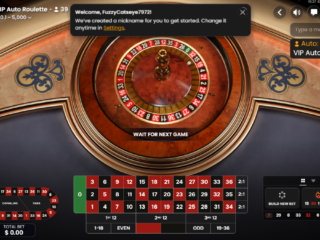
One of the most crucial competitive elements in the gambling sector nowadays is user experience. Platforms know that game diversity, odds, and bonuses matter. But visitors decide to stay or leave in just seconds. A smooth user experience (UX) isn’t just a nice-to-have; it’s crucial. In a digital world, switching operators takes only a click.
Reducing friction is the fundamental goal of UX design in gambling. Gamers want to find games swiftly, deposit easily, register promptly, and place bets without any confusion. Anger quickly rises if the UI seems cluttered, sluggish, or confusing. Unlike other sectors, gaming platforms operate in a highly emotional space. Here, minor annoyances can’t be easily ignored by consumers. Behavior is driven by haste, excitement, and expectation. That momentum is disrupted by any delay.
Among the top priorities is the clarity of the navigation. Categories such as sports, live betting, casinos, promotions, and account settings are easy to find. They are well organized on a clear page. Users should find it easy to search events, sort odds, and filter markets within each segment. It is crucial to have clear menus, easily accessible buttons, and quick loading times. Players frequently end the session completely when they are unable to locate what they are seeking for in a matter of seconds.
Speed is just as important. Real-time updates are essential for live betting and in-play wagering. Users anticipate immediate confirmation after placing a wager, yet odds are subject to frequent fluctuations. To guarantee timeliness, UX design collaborates closely with backend engineers. When money is involved, even minor interface lags can breed mistrust. Fast feedback builds confidence.
The significance of UX has increased due to mobile optimization. Nowadays, a large percentage of gambling takes place on cellphones. This means interfaces must adapt to smaller screens without sacrificing functionality. Scrolling should feel natural, text must be readable, and buttons must be thumb-friendly. One of the easiest ways to lose gamers is through poor mobile design.
Another important factor is visual hierarchy. Gambling systems handle a lot of data. This includes timings, scores, odds, statistics, banner ads, and balance updates. UX designers organize this data to highlight the most crucial components. For instance, odds ought to be easy to tap and readily displayed. Balances in accounts should always be visible. The eye is guided by subtle color contrasts without being overpowered.
Another important factor contributing to UX’s popularity is trust. Users of online gambling do not physically visit a casino. Everything takes place via a screen. A well-designed user interface, recognizable branding, and safe-looking payment processes give gamers confidence in the platform’s legitimacy. Confirmation messages and secure icons are small details. They help build that feeling. Clear transaction histories do the same.

Design also shapes mid-session engagement. Consider how a sportsbook online interface presents live matches. Real-time scoreboards, fluid bet slips, and dynamic animations all contribute to the immersive experience. One of the most important UX components is the bet slip itself. It needs to be easy to amend before confirmation, update automatically, and clearly display possible returns. Users are more likely to keep making bets if this process feels seamless.
Personalization is becoming a top focus for UX. Modern platforms use data. They highlight popular sports. They customize suggestions. They also show relevant ads. Smart user experience (UX) picks materials based on user behavior. It doesn’t show every choice equally. As a result, there is less clutter and the experience feels well-curated rather than overwhelming.
Psychology has a big impact on gambling UX choices. Designers are aware of how timing, color, and spacing impact user feelings. A sense of momentum can be produced with subtle animations. Excitation is increased by clear win notifications. Uncertainty is decreased by progress indicators during deposits or withdrawals. But responsible platforms need to strike a balance between ethical design and involvement. Features shouldn’t control impulsive behavior; rather, they should improve clarity and control.
Additionally, security flows are thoughtfully planned. Payment confirmations, identity verification, and two-factor authentication must all work together seamlessly. Users may stop using security if it seems invasive or unclear. They can wonder if it’s safe if it feels invisible. Convenience and security are balanced with good UX.
In the end, retention is where UX really shines. The odds and bonuses offered by various gaming sites are comparable. The way the platform feels after continuous use is what sets them apart. Habit loops are produced by recognizable design, user-friendly dashboards, and reliable performance. Users are less inclined to look at other options when they are at ease using a website.
Retaining users is as crucial as gaining them in a market this competitive. Platforms cannot rely solely on promotions due to the high cost of marketing. The ordinary experience counts. Although first impressions are formed rapidly, smooth, regular contacts are what lead to long-term contentment. The perception of the platform is shaped by each instantaneous response from a tap, each natural-feeling scroll, and each clear confirmation message.