Smart home techoelite sets a high bar for performance, privacy, and expandability. The guide explains what makes a techoelite setup different. It lists key infrastructure choices and must‑have devices. It shows integration and security practices that extend device life. The tone stays practical and direct so readers can plan with confidence.
Key Takeaways
- A smart home techoelite prioritizes durability, speed, and expandability by using wired backbones, strong Wi‑Fi, and open standards like Matter and Thread.
- Core infrastructure includes gigabit Ethernet, Wi‑Fi 6E, VLAN segmentation, surge protection, and thorough documentation to ensure reliability and future upgrades.
- Must‑have devices emphasize local control, security, firmware longevity, and support for open standards to maximize performance and reduce downtime.
- Lighting, climate, and energy management employ advanced controls, zoned systems, smart metering, and integration with solar or EV chargers for efficient home operation.
- Integration strategies use clear device roles, event orchestration, declarative rules, and thorough testing to enable scalable and conflict-free automation.
- Privacy and security practices involve strong passwords, segmented networks, regular firmware audits, offsite backups, and ongoing user training for long-lasting protection.
What Makes A TechoElite Smart Home Different
A smart home techoelite emphasizes durability, speed, and clear upgrade paths. It uses wired backbones where latency matters and strong Wi‑Fi where wires won’t reach. It prefers standards like Matter, Thread, and Ethernet to siloed apps. It favors devices with local control and well‑documented APIs. It demands power quality, surge protection, and modular components. It plans for phased upgrades so owners can swap a hub or sensor without replacing an entire system. It treats user privacy as a baseline, not an option.
Core Infrastructure: Network, Power, And Wiring
A techoelite network runs on gigabit Ethernet at the core and Wi‑Fi 6E at the edge. It segments traffic with VLANs and guest networks to isolate cameras and IoT devices. It uses UPS units for critical hubs and PoE switches for cameras and access points. It installs CAT6A or higher for future proofing. It places a central distribution panel for low‑voltage wiring. It adds surge protection at service entry and at key panels. It documents cable runs and labels both ends for future technicians.
Must‑Have Devices For A TechoElite Setup
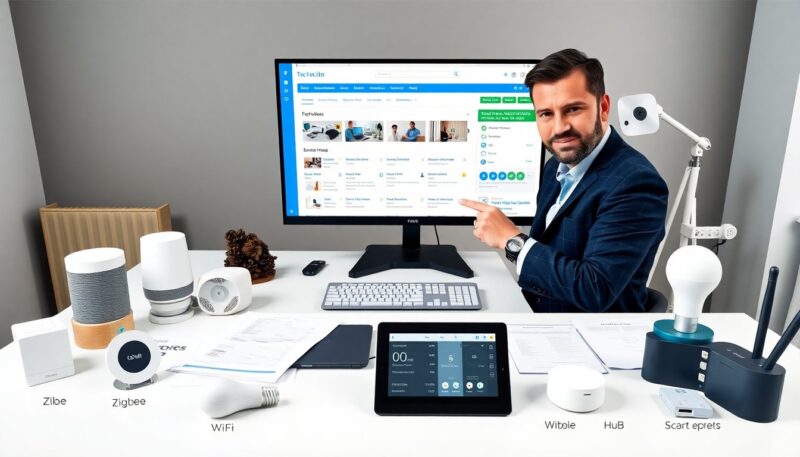
A techoelite kit mixes proven, local‑control devices with cloud services for convenience. It prioritizes secure cameras, multi‑band access points, and programmable hubs. It picks sensors that report state changes rather than only push notifications. It includes backup solutions for storage and configuration. It favors devices that support Matter or open standards. It prefers vendors with clear firmware policies and long update histories. It budgets for replacement parts and spares to reduce downtime.
Lighting, Climate, And Energy Management
Lighting in a techoelite home uses a mix of wired dimmers and networked luminaires. It selects LED fixtures with high CRI and addressable controls for scenes. Climate control uses zoned thermostats and smart dampers to reduce energy use. It pairs sensors with predictive schedules to avoid overconditioning. Energy management adds smart metering and a battery backup for peak shaving. It integrates rooftop solar or EV chargers with the home energy platform. It reports consumption in clear dashboards for fast decisions.
Integration & Automation Strategies That Scale
A techoelite automation strategy separates intent from implementation. It defines clear device roles and a single source of truth for state. It uses event buses or lightweight brokers for orchestration. It favors declarative rules for common actions and code only for edge cases. It keeps automations idempotent so repeated triggers do not cause conflicts. It stores backups of automations and version controls configuration files. It tests automations in a staging network before production deployment.
Privacy, Security, And Maintenance For Longevity
A techoelite plan treats security as ongoing work. It enforces strong, unique passwords and centralized certificate management. It runs regular firmware audits and applies security patches on a schedule. It places cameras and microphones on segmented networks and uses end‑to‑end encryption when available. It stores backups offsite and tests restores quarterly. It sets maintenance windows and automates health checks for devices. It trains household members on basic security steps and documents recovery procedures for lost keys or accounts.