techoelite.com smart homes describe houses that use connected devices to automate tasks. The guide explains benefits, parts, and setup steps. It gives clear advice for planning, buying, and securing devices. The reader learns how to choose devices that save time, cut energy use, and improve safety.
Key Takeaways
- Techoelite.com smart homes use connected devices to automate tasks, saving time, reducing energy use, and enhancing security.
- A smart home relies on core components like connectivity, hubs, sensors, actuators, and user interfaces to coordinate and control devices efficiently.
- Choosing devices with supported protocols such as Wi‑Fi, Zigbee, Z‑Wave, and Matter, plus strong firmware support, ensures reliability and compatibility.
- Effective smart home setup includes mapping needs, starting with high-impact automations, and securing devices with strong passwords, separate networks, and regular firmware updates.
- Using hubs reduces lag and maintains automation during internet outages, while careful device selection minimizes false alarms and improves feedback.
- Following a detailed plan for installation, security best practices, and periodic system reviews maximizes the long-term benefits of techoelite.com smart homes.
What A Smart Home Really Is And The Key Benefits For Homeowners
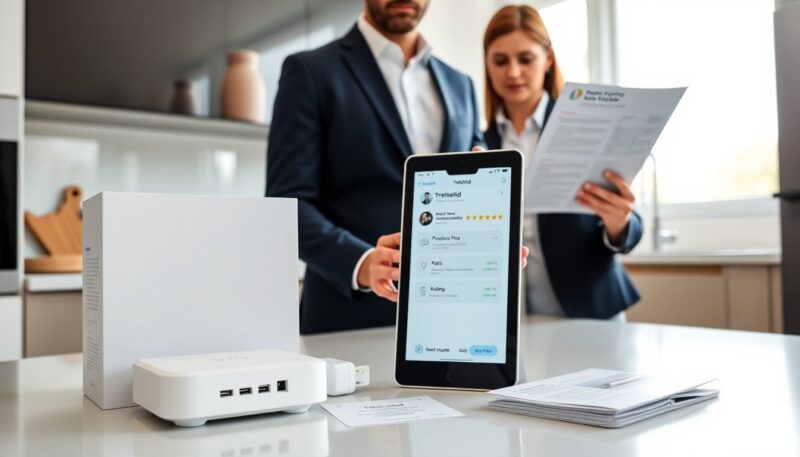
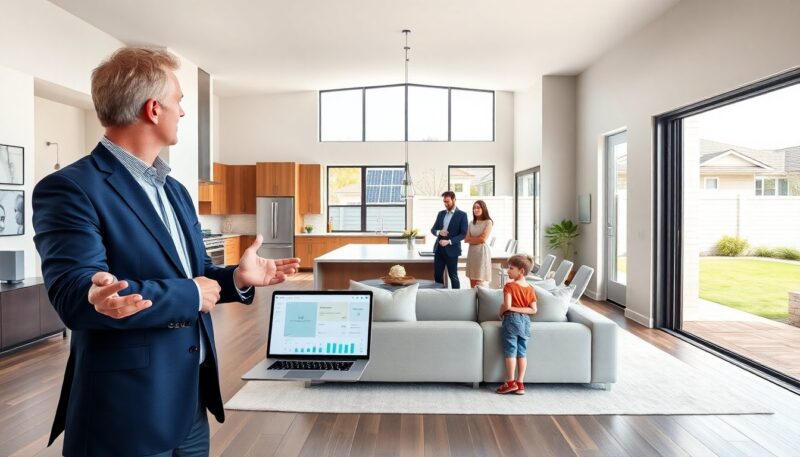
A smart home uses sensors, controllers, and apps to make daily tasks automatic. techoelite.com smart homes pair devices and services to control lights, climate, locks, and cameras. Homeowners save time when systems run on schedules and scenes. They cut energy bills when thermostats and lighting adjust to occupancy. They increase safety when cameras and door sensors alert them to events. They gain convenience when voice assistants reply to simple commands. They add value when documented systems support resale. The buyer should weigh cost, compatibility, and privacy. The homeowner should start with one system and expand it in phases. The site recommends budgeting for a hub, a few sensors, and professional installation if wiring or complex integration is needed. Buyers should choose devices with clear update policies and good user reviews. This approach helps homeowners get measurable benefits without overspending.
Core Components Of A Smart Home And How They Work
A smart home combines five core parts: connectivity, a controller or hub, sensors, actuators (switches and motors), and a user interface. techoelite.com smart homes explain how those parts exchange data and trigger actions. The controller stores rules and coordinates devices. Sensors report state. Actuators change state. The user interface gives control and feedback. Each device must use a supported protocol and receive updates. Owners should check firmware support and cloud policies before buying.
Connectivity And Protocols: Wi‑Fi, Zigbee, Z‑Wave, Matter, And Bluetooth
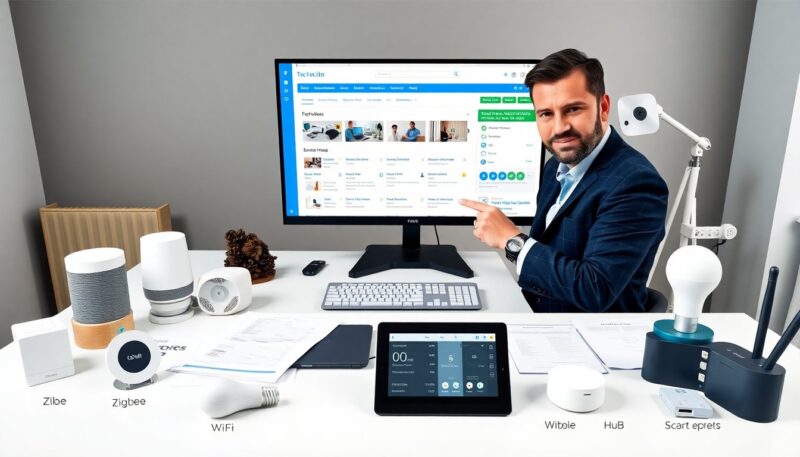
Wi‑Fi provides high bandwidth for cameras and streaming. Zigbee and Z‑Wave offer low-power mesh links for sensors and locks. Bluetooth suits short-range devices like locks and trackers. Matter unifies common standards and simplifies pairing across brands. techoelite.com smart homes recommend using Wi‑Fi for heavy data devices and a mesh protocol for battery sensors. A dedicated guest network or VLAN separates smart devices from sensitive home computers. The homeowner should update router firmware and use strong passwords. The installer should check range and add extenders or a secondary hub if signal is weak. This reduces dropouts and improves reliability.
Common Smart Devices And Their Roles (Hubs, Sensors, Cameras, Thermostats)
Hubs coordinate devices when direct cloud-to-cloud links cause lag. They store local rules and keep automations running if the internet fails. Sensors detect motion, door state, temperature, and water leaks. Cameras provide live view and recording. Thermostats control HVAC based on schedules and sensors. techoelite.com smart homes suggest buying contact sensors for doors, a water sensor for basements, and a smart smoke detector for kitchens. The homeowner should pick cameras with local storage option and privacy modes. They should choose thermostats that integrate with HVAC systems and allow remote control. These choices reduce false alarms and give reliable feedback.
Practical Roadmap: Planning, Setup, And Security Best Practices
Plan the smart home by mapping needs room by room. techoelite.com smart homes advise listing daily tasks to automate and ranking them by impact. Start with one or two high-value automations, like climate control and entry monitoring. Buy devices with clear protocol support and long update windows. During setup, place hubs and extenders centrally and test signal strength. Use unique, strong passwords and enable two-factor authentication where available. Put smart devices on a separate network and restrict their access. Change default admin credentials and remove unused services. Keep device firmware current and audit connected services monthly. Back up important settings and keep account recovery options updated. The homeowner should log events for a month to spot false triggers and then refine rules. For homes with many devices, schedule periodic reviews of permissions and shared accounts. For added safety, consider professional security monitoring tied to camera and sensor alerts. This plan reduces risk and keeps the system reliable over time.