Have you ever played an older game after spending time with a modern online title and immediately noticed how much quieter and more predictable it feels? Older games can still be enjoyable, but modern online gaming often creates a stronger sense that something is always happening.
That difference comes from more than better graphics. Faster feedback, online connectivity, changing game environments, interactive interfaces, multiplayer systems, and more layered features all contribute to a more dynamic experience. Understanding these elements can also help players decide which games actually suit them rather than simply choosing whatever looks busiest on the screen.
Games Respond More Clearly to Player Actions
One major difference is how quickly modern ทดลองเล่นสล็อต games communicate what is happening. A button press may trigger movement, sound, animation, visual effects, score changes, or other feedback almost immediately.
Older games often used simpler signals because the hardware and game design were more limited.
Visual and Audio Feedback Is More Detailed
Modern games commonly use several types of feedback at once. A successful action might produce:
- A change in animation
- A sound effect
- A highlighted symbol or object
- A progress indicator
- A temporary message on the screen
Online Connectivity Makes Games Feel Less Static
Older games were often complete, fixed experiences. Once installed or purchased, the game usually remained largely the same.
Modern online gaming can work differently. Connectivity allows games to include multiplayer interaction, rotating activities, updates, new content, and changing events.
Other Players Can Change the Experience
Playing with or against real people introduces unpredictability that computer-controlled opponents cannot always reproduce.
A multiplayer match can feel completely different from the previous one because other players may use different tactics, make unexpected decisions, or communicate in different ways.
Game Worlds Can Change While Players Are Using Them
Modern online games are often designed as ongoing experiences rather than completely fixed products.
Developers may introduce new maps, modes, challenges, characters, seasonal content, interface improvements, or balance adjustments over time.
Updates Can Keep Familiar Games Feeling Different
Imagine playing the same game for several months. An older title might offer exactly the same levels and mechanics every time.
An online game may gradually introduce new activities or adjust existing systems. That does not necessarily make it better, but it can make the experience feel less predictable.
Players should still check what has actually changed rather than assuming every update improves the game. Sometimes updates mainly affect presentation, while others significantly change gameplay.
Modern Interfaces Show More Information
Contemporary games often place much more information on the screen than older games did.
Players may see objectives, maps, progress bars, inventories, timers, notifications, achievements, player statistics, or feature indicators at the same time.
Good Design Helps Prevent Information Overload
A dynamic interface should help rather than confuse.
Beginners can ask a few simple questions:
- Can the main controls be identified quickly?
- Is it obvious what the player should do next?
- Can unnecessary notifications be reduced?
- Does the game explain unfamiliar features?
- Is important information readable on a smaller screen?
Online Slots Use Similar Design Ideas
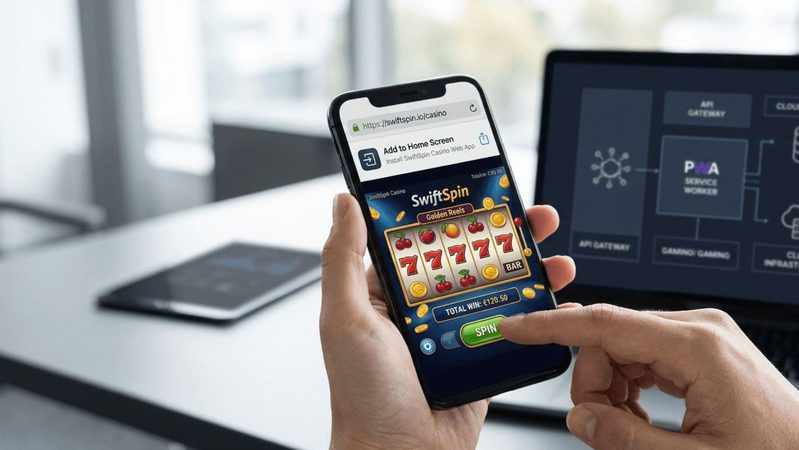
Modern online slots also use animation, sound, changing symbols, feature rounds, multipliers, free-spin mechanics, or other visual elements to create more activity than traditional mechanical reel games.
The basic action may still be simple, but the presentation around each spin can contain several layers.
More Animation Does Not Change Random Results
Animations can make a spin look dramatic, but they should not be treated as evidence that a win is becoming more likely. In games where outcomes are determined randomly, previous results do not create a reliable pattern for predicting the next result.
Players exploring slot games should also review information such as RTP and volatility when it is available.
RTP describes the theoretical percentage returned to players over a very large number of plays. It does not guarantee what one person will receive during a particular session.
Volatility gives a general idea of how frequently and how significantly results may vary. Higher-volatility games may involve longer periods without significant wins, while lower-volatility FAFA828 games may behave differently. Neither eliminates the risk of losing money.
Personalisation Can Make Experiences Feel More Responsive
Many modern games allow players to adjust controls, difficulty options, characters, visual settings, sound, equipment, or play styles. This creates a stronger feeling of ownership over the experience.
Choice Can Be Useful, but Too Much Can Be Distracting
New players may be better off learning the basic controls first and changing advanced settings later. Starting with every available feature at once can make a game harder to understand.
The practical approach is simple: learn the core loop first, then explore additional systems gradually.
Faster Technology Supports Smoother Experiences
Modern hardware, faster internet connections, improved graphics technology, and better mobile devices allow games to process and display much more information than earlier generations could.
This can result in smoother movement, faster transitions, larger environments, more detailed animation, and more players interacting simultaneously.
Still, technical quality matters. A visually impressive game can feel frustrating if controls respond slowly or a connection is unstable.
Players should value responsiveness and usability just as much as graphical detail.
Dynamic Gaming Still Needs Sensible Limits
More activity can make gaming entertaining, but constant notifications, rewards, events, and rapid feedback can also make it easy to lose track of time.
This matters especially when real money is involved.
A sensible approach includes setting a spending limit before playing, deciding how long a session will last, and avoiding attempts to recover losses by increasing bets.
Online gaming should be treated as entertainment, not as a dependable way to make income.
Final Takeaway
Modern online gaming feels more dynamic because many systems work together at once. Responsive interfaces, multiplayer interaction, changing content, richer audiovisual feedback, personalised settings, and faster technology all make games feel more active than many older titles.
The most useful question, however, is not whether a game has more features. It is whether those features actually make the experience clearer, more enjoyable, and easier to control.
For beginners, understanding the basic gameplay, checking how information is presented, learning unfamiliar features gradually, and keeping sensible limits can make modern online gaming much easier to enjoy without being overwhelmed by everything happening on the screen.