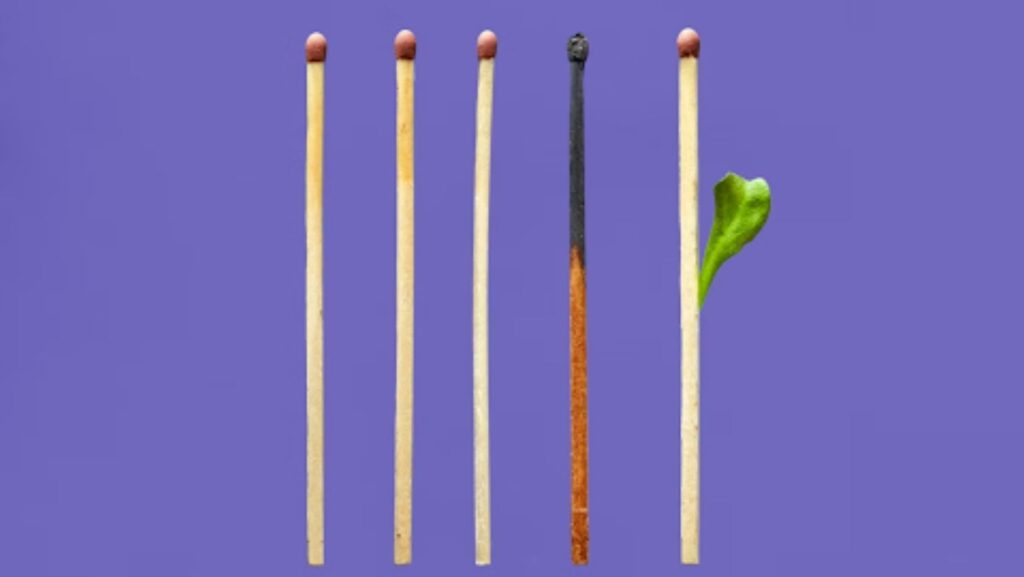
Burnout is more than feeling tired; it is a state of total emotional, physical, and mental exhaustion caused by prolonged stress. It occurs when you feel drained and unable to meet constant workplace demands. Because it develops gradually, many people fail to recognize the struggle until they hit a wall.
Understanding this condition is the first step toward recovery. It is not a sign of weakness but a signal that your “inner battery” is depleted. By identifying the early warning signs and setting boundaries, you can protect your well-being, reclaim your energy, and rediscover joy in your career.
The Three Big Signs
Burnout is usually defined by three main pillars. The first is a deep sense of feeling empty. This isn’t the kind of tiredness that goes away after a good night’s sleep. It is a heavy exhaustion that makes even getting out of bed feel like a massive task. Even after a long weekend, you still feel like you have no “gas in the tank.”
The second sign is a shift toward negative thoughts. You might find yourself feeling unusually annoyed by your boss, your coworkers, or your daily tasks. This is often called “cynicism.” You might feel numb or like you just don’t care about the quality of your work anymore. Finally, there is the feeling of being useless.
No matter how many hours you put in, it feels like you aren’t actually accomplishing anything. Burnout acts like a slow leak in a tire; you don’t notice it until you are completely flat.
Warning Signs in Your Body and Mind
Your body often detects burnout before your mind does. Under constant stress, your brain sends physical distress signals, such as frequent headaches, stomach issues, or a weakened immune system. You may also experience insomnia as your mind races with work-related anxieties.
A major red flag is the “Sunday Scaries”—an intense dread or physical illness felt before the work week begins. Furthermore, you might stop engaging in hobbies or seeing friends because you are too emotionally drained to interact. Using an emotions tracker app is an excellent way to identify these patterns early. By recording your daily moods, you can clearly see if occasional “bad days” have turned into a chronic cycle, helping you take action before reaching total exhaustion.
Why We Get So Tired
Psychologists have found that burnout isn’t just about working long hours; it’s about how that work makes us feel. One of the biggest causes is having no say in the matter. When you feel like you have no control over your schedule, your workload, or your deadlines, your brain stays in a state of high alert. This constant stress wears you down faster than the work itself.
Burnout also happens when there is the “wrong fit” between you and your company. If you are working for a place that doesn’t care about the things you value—like honesty, kindness, or balance—it creates a deep mental strain.
Finally, the “always being on” culture of modern work is a major factor. If you are checking emails at 9:00 PM or answering calls on your day off, your brain never enters “recovery mode.” Without rest, burnout is almost inevitable.
How to Protect Yourself
The best way to stop burnout is to build a shield around your energy. This starts with the power of saying “no.” Many people feel guilty when they turn down a new project or an extra shift, but “no” is a healthy word. It is a way of telling the world that your time and energy have limits. Setting firm boundaries is not being rude; it is being responsible for your own health.
You also need to make time for yourself. Try to schedule “me-time” just as strictly as you would schedule a high-level meeting with your boss. Whether it is thirty minutes of reading, a workout, or just sitting quietly, this time is non-negotiable. It is also helpful to talk it out. Finding a trusted friend or peer to vent to can lower your stress hormones. Sometimes, just hearing someone else say, “I understand, that sounds really hard,” makes the weight feel much lighter.
How to Feel Better
If you are already feeling the effects of burnout, it is time to focus on recovery. Start by turning off the screen. Set a specific time every evening when work officially stops and your real life begins. Put your phone in another room if you have to. This gives your nervous system the chance to finally calm down and rest.
Instead of “doom-scrolling” on social media, try doing something you love that involves your hands or your body. A walk in nature, a craft, or cooking a meal are forms of “active recovery.” They engage your brain in a way that is relaxing rather than draining.

Most importantly, know when to ask for help. If you feel like you can’t get back on track on your own, talking to a professional like a therapist or a coach can provide you with the specific tools you need to heal.
You are More Than Your Job
It is easy to get so caught up in your career that you forget one very important truth: you are more than your job title. Your “worth” as a human being does not come from how many emails you sent today or how much money you made for a company.
You are a person with feelings, needs, and a life that deserves to be enjoyed.
Taking care of yourself is not a distraction from your work; it is the most important job you have. By listening to your body, setting boundaries, and allowing yourself to rest, you protect the “spark” that makes you who you are.
Remember, a candle that burns at both ends eventually goes out. Protect your light so you can keep shining for years to come.