There is a specific feeling that comes from hearing a particular 8-bit melody or seeing a minimalist, pixelated interface. This sense of nostalgia has become a defining pillar of modern entertainment.
While the technology powering our devices has leapt forward, our emotional connection to the games of the 90s and early 00s remains remarkably steadfast. For many, revisiting these formats is about reconnecting with a streamlined, intuitive era of play that prioritised atmosphere and community over complexity.
Decoding the Nostalgia Loop
Nostalgia is often described as a wistful, positive longing for past experiences. Research into the psychology of video game nostalgia suggests that these digital environments provide a unique sense of optimism.
When you engage with a game that mirrors the aesthetics of your younger years, it triggers a feeling of familiarity. Digital life can often feel overwhelming and cluttered, so the lo-fi charm of retro-inspired design offers a refreshing change of pace. It’s a way for us to reinforce our sense of identity through shared cultural touchstones.
Strengthening Social Bonds
The shift toward digital spaces hasn’t diminished the social aspect of gaming. If anything, it has refined it. The virtual lounge has replaced the physical spaces of the past, allowing like-minded individuals to connect over shared interests. You might find that playing arcade games online provides a modern, sophisticated way to tap into those community-led environments.
These platforms focus heavily on the social experience, offering chat rooms and community hubs where the conversation is as vital as the game itself. This sense of connectedness is a core reason why nostalgic formats continue to thrive. It’s less about the individual mechanics and more about the collective atmosphere of a shared space.
A Cultural Shift in the UK
The way we access these memories has changed fundamentally. The recent disappearance of a long-standing retail giant like GAME from the high street marks a significant cultural shift. For many, those shops were the physical heart of gaming culture – a place for browsing and discovery.
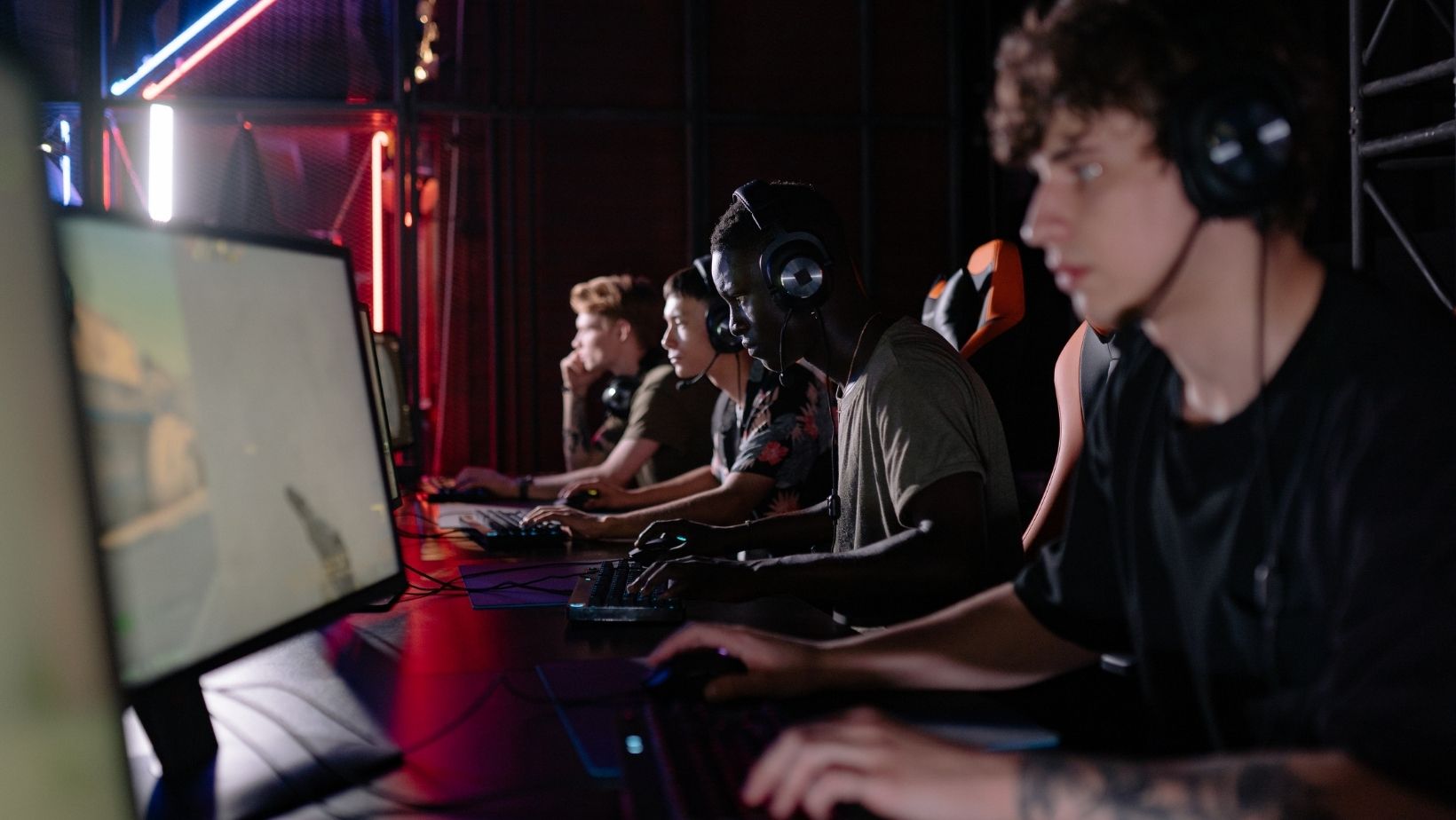
However, as a recent industry report examines, the closure of these physical stores hasn’t ended our love for the classics; it has simply moved the experience into more accessible, digital realms. We are no longer limited by physical hardware or retail hours.
Gaming’s Place in The Retro Renaissance
This surge in gaming nostalgia can be viewed as part of a broader cultural retro-tech movement seen in everything from the vinyl record revival to the return of film photography.
Just as music lovers crave the warmth of an analogue record, gamers are seeking out lo-fi digital environments as an antidote to the always-on nature of modern tech.
This shift represents a transition from consumer-driven gaming to connection-driven gaming.