Card counting has been glorified over the years. From Hollywood thrillers to TikTok influencer videos, the concept of playing blackjack with pure brainpower continues to fascinate society. In 2026, however, things will be very different in the gambling scene than they were in smoky backrooms in the 1970s. The emergence of mobile gaming, the use of AI surveillance, and continuous shuffling machines have changed the conversation.
So what still works? What’s outdated? And what are players getting completely wrong?
Myth #1: Card Counting Makes You Rich Overnight
The biggest misconception is that card counting guarantees instant wealth. Movies have portrayed it as a secret code to unlimited profit, but the reality is more mathematical and far less glamorous.
Card counting is not about predicting exact cards. It is the record of high to low cards left in the deck to acquire a minor statistical advantage. That 0.5 per cent to 1.5 per cent is the usual margin that is given in most contemporary versions of blackjack when played to perfection.
Myth #2: Card Counting Is Illegal
This myth refuses to die.
Card counting is not illegal in most jurisdictions. It’s simply the use of your brain to track information that’s already visible. However, casinos are private businesses. They can refuse service or ask players to leave if they suspect advantage play.
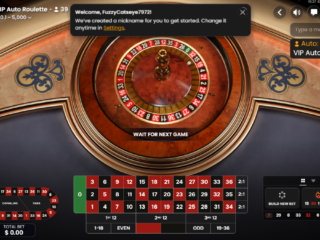
As an illustration, the question of whether counting can be done at all is usually raised by many players who are experimenting with blackjack in Texas online casinos. The fact of the matter is that in the majority of blackjack games over the Internet, there are Random Number Generators (RNGs) or reshuffling between hands. That removes the deck-depletion advantage that counters are used to.
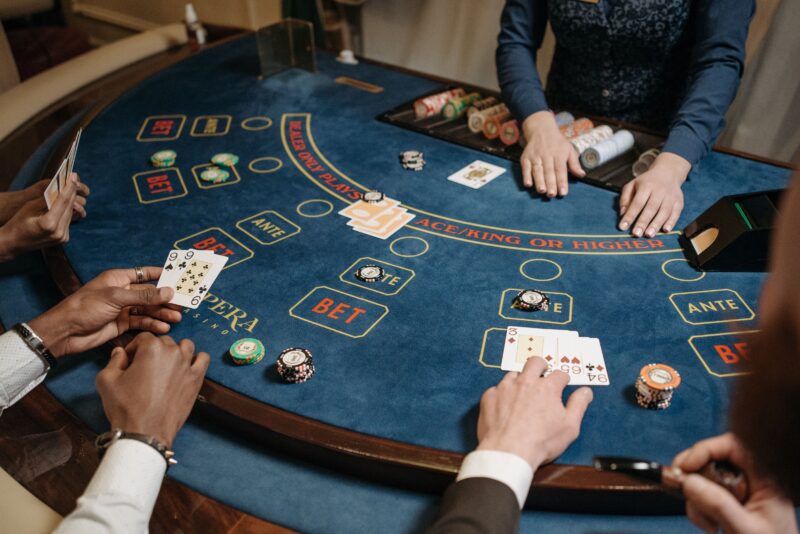
Nonetheless, blackjack streams with live dealers using high-tech studio setups and using multi-cameras and AI to supervise the dealers occasionally have shoe-based systems. Sustained counting is very hard even in those days, due to the presence of automatic reshuffling and monitoring software.
Myth #3: Online Blackjack Can Be Beaten with Counting
In 2026, this is one of the most searched questions about blackjack.
Here’s the truth: traditional card counting does not work in standard RNG-based online blackjack. Each hand is generated independently. There’s no memory of previous cards, so there’s nothing meaningful to track.
Live dealer blackjack is a grey area. Some tables use 6- or 8-deck shoes with visible card burn. However:
- Many tables reshuffle at 50% penetration or less.
- Some use automatic shuffling machines.
- AI systems flag bet-spread patterns instantly.
In short, while it’s technically possible in very rare scenarios, it’s rarely practical. The modern online ecosystem was designed specifically to neutralise classic advantage strategies.
Myth #4: Casinos Can’t Detect Card Counters
This might have been closer to true 40 years ago.
In 2026, casinos deploy AI-enhanced behavioural analytics. Surveillance systems analysis:
- Bet sizing patterns
- Decision deviations from basic strategy
- Time spent at specific tables
- Player movement between tables
Facial recognition technology, where legally permitted, can also track known advantage players across properties.
Online platforms use algorithmic monitoring. If a player consistently increases bets in high true-count situations in live games, the system flags it immediately.

Myth #5: You Need to Be a Math Genius
Card counting is often portrayed as elite-level mental gymnastics.
In reality, the most popular system — Hi-Lo — assigns simple values:
- 2–6 = +1
- 7–9 = 0
- 10–Ace = -1
Players maintain a running count and convert it into a true count based on the decks remaining. With practice, this becomes mechanical rather than genius-level math.
The hard part isn’t arithmetic.
The real challenge in 2026 is maintaining cover play, emotional control, and bankroll discipline in an environment designed to detect anomalies.
Conclusion
Card counting is not dead, but it’s no longer the golden ticket many imagine. It can still provide a small advantage in the traditional brick-and-mortar setting where the penetration of the deck is strong, and the rules are favourable. On the web, it is severely limited in its utility by RNG mechanics and automated reshuffling.