Freelancing used to sound like the dream setup. No manager breathing down your neck. No packed morning commute. No awkward office small talk by the coffee machine. But once the novelty wears off, a lot of freelancers realise working alone every single day can get a bit weird.
One minute you’re enjoying the freedom… The next you’re answering emails from bed at midnight and forgetting what day it is. The line between work and personal life gets blurry fast when your flat turns into your office twenty-four seven.
That’s exactly why virtual coworking spaces have started blowing up recently. They’re basically trying to recreate the good parts of shared workspaces without forcing people to actually travel anywhere. And honestly, for loads of freelancers, it’s filling a gap that standard remote work never really solved.
Virtual coworking feels less isolating
One of the hardest parts of freelancing is isolation. People don’t always talk about it because working remotely sounds glamorous online. But spending days alone staring at the same walls can absolutely drain your motivation.
Virtual coworking spaces try to fix that by creating digital environments where freelancers can work alongside other people remotely. You log in, join a shared workspace, and suddenly it feels like you’re around actual humans again instead of silently typing away on your own all day. That social energy genuinely matters.
Some platforms keep things simple with video rooms and chat spaces, while others are leaning heavily into immersive environments where people interact almost like they would in a real office. It sounds futuristic at first, but the whole thing is becoming surprisingly normal.
Why flexibility matters so much
Traditional offices work for some people, but loads of freelancers moved away from that setup for a reason. They wanted flexibility, freedom and control over how they work. Virtual coworking keeps those benefits while adding a bit more structure back into the day.
You can work from your kitchen, a café, another country or literally your sofa while still feeling connected to a professional environment. That balance is a huge part of the appeal. It gives people routine without making them feel boxed in.
And because everything’s online, geography basically stops mattering. A freelancer in Manchester can end up collaborating with designers in Berlin, developers in Tokyo and writers in Toronto all in the same digital workspace. That kind of global networking would’ve sounded mental a few years ago.
It also exposes people to completely different perspectives and industries, which naturally leads to more opportunities. A lot of freelancers end up finding clients, collaborators or even long-term business partners through these communities.
VR is changing the whole experience
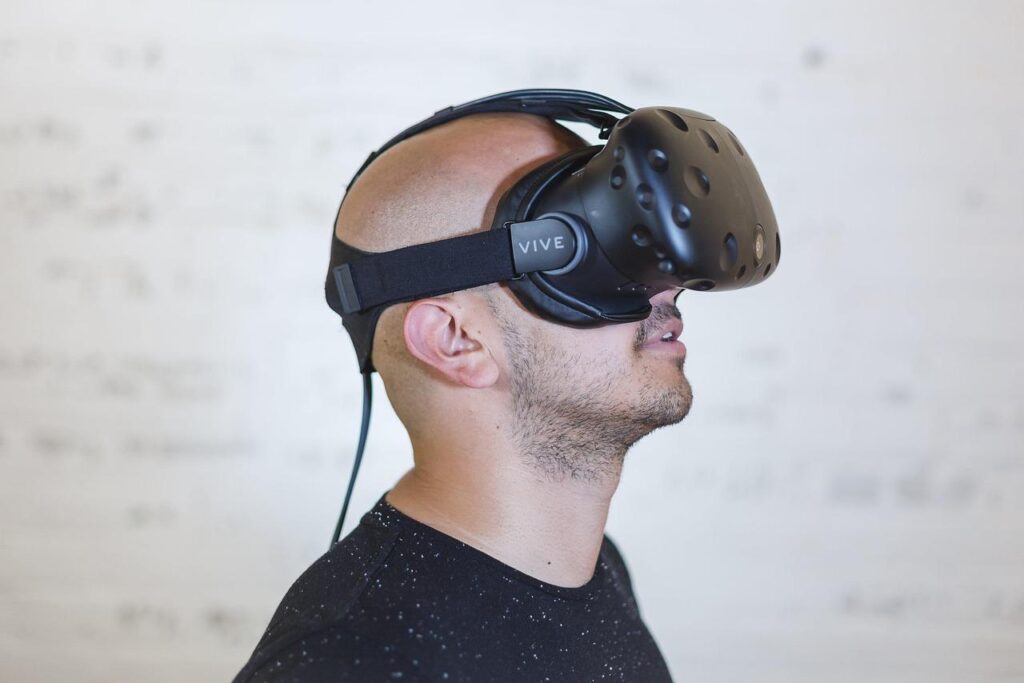
This is where things get really interesting. Virtual reality is starting to push virtual coworking beyond simple video calls and online chats. Instead of just seeing people through tiny webcam windows, freelancers can actually step into immersive digital workspaces.
Using VR makes interactions feel more natural somehow. You can move around, approach conversations casually, share ideas visually and interact with spaces in ways that normal remote working tools just can’t replicate properly.
Headsets like the Pico Neo 3 Pro are helping make that experience far smoother and more realistic. The graphics are sharper, movement feels less clunky, and people can spend longer in virtual spaces without feeling completely drained afterwards. That’s important because comfort makes or breaks VR adoption.
For freelancers who miss the energy of shared workspaces but hate commuting or expensive coworking memberships, VR workspaces feel like a middle ground. You still get interaction and collaboration without sacrificing flexibility.
It’s not just about productivity
A lot of people assume virtual coworking is only about getting more work done. But honestly the social side matters just as much. Freelancers can easily end up feeling disconnected from professional communities. Especially when they work alone for long stretches. Virtual coworking spaces bring back some of those casual interactions people miss from physical workplaces.
That feeling of “working alongside others” can seriously help motivation too. It’s weirdly easier to focus when you know other people are also getting on with their work, even if everyone’s technically sitting in different countries.
The future looks properly different
As VR technology improves, these environments will likely feel even more realistic and interactive. Meetings could feel less awkward. Collaboration could become smoother. Digital workspaces may eventually feel almost as natural as physical offices.
At the same time, there are still challenges people are figuring out. Spending too much time online can become mentally exhausting, especially when work follows you everywhere. Some freelancers struggle to switch off properly because digital workspaces are technically always available. That “always online” feeling can get unhealthy pretty quickly.