AI-generated identity fraud is creating new challenges for organizations that rely on remote onboarding and digital authentication. Deepfake identity attacks, synthetic identities, and biometric spoofing attempts are making it harder to verify users through traditional checks alone, especially in industries where identity assurance is tied to financial access or account security.
As a result, more organizations are evaluating AI fraud prevention platforms that can detect manipulated biometric inputs and strengthen fraud prevention in digital onboarding. This article compares leading identity verification platforms through the lens of deepfake detection, biometric security, and their ability to handle evolving identity fraud risks.
Why Does Deepfake-Resistant Identity Verification Matter in 2026?
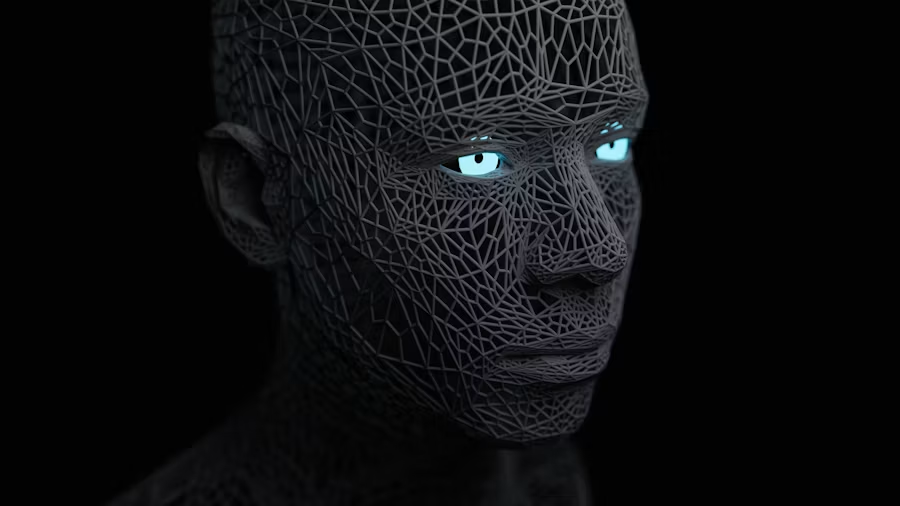
Deepfake-resistant identity verification matters because AI-generated media can make fake users harder to detect during remote onboarding and authentication. Attackers can now create convincing synthetic identities or manipulate biometric inputs in ways that challenge traditional identity verification systems.
Deepfake identity attacks can affect account opening, user verification, and authentication workflows across fintech, crypto, telecom, and digital banking environments. A user may appear legitimate during an identity check even when the underlying biometric data has been altered or generated.
Basic identity checks often focus on confirming documents or matching faces against submitted information. While those steps remain important, deeper biometric fraud prevention is needed to identify whether a real person is actually present. Biometric liveness detection tools help address this by analyzing signals associated with genuine human presence.
Organizations are also paying closer attention to passive liveness detection and injection attack identity verification. These approaches help detect manipulated video streams, virtual camera inputs, and other attempts designed to bypass standard verification flows.
1. Incode
Incode is an enterprise-grade, deepfake-resistant identity verification platform built for organizations that need high-assurance identity verification in regulated digital onboarding environments. It’s designed for high-assurance and privacy-sensitive environments. It combines advanced biometric liveness and deepfake-resistant verification with a privacy-first architecture to help organizations verify users with confidence while minimizing data exposure. Incode is trusted by banks, regulated businesses, and government-level projects where accuracy, security, and long-term trust matter more than speed alone. Its technology has been independently validated through academic and industry benchmarks.
The platform focuses on deepfake-resistant identity verification through dedicated detection capabilities designed for AI-generated identity threats. Incode’s DeepSight technology supports deepfake detection by analyzing manipulated biometric inputs and helping organizations identify synthetic media during verification workflows. Because Incode’s proprietary technology is built entirely in-house, it supports custom model retraining as new deepfake generation techniques emerge, without waiting on third-party vendors.
Its approach combines biometric liveness detection, AI identity fraud detection, and biometric fraud prevention within a high-assurance identity verification framework. Incode’s privacy-first identity architecture also allows organizations to verify users while minimizing unnecessary data exposure during onboarding and authentication.
Key capabilities include:
Incode is designed for regulated businesses, financial institutions, and platforms managing high-risk identity environments where detecting synthetic identities and preventing biometric spoofing are critical parts of fraud prevention.
2. Jumio
Jumio is an established identity verification provider focused on document verification, biometric checks, and enterprise identity workflows.
The platform is widely used by organizations that need structured identity verification processes across regulated industries. Its capabilities include document authentication, biometric verification, and liveness checks that support digital onboarding requirements.
For organizations dealing with more advanced AI-generated fraud, the main consideration is how specialized the platform is for deepfake detection. Traditional liveness systems can help identify common spoofing attempts, but sophisticated deepfake identity attacks require more dedicated detection capabilities.
Jumio remains a suitable option for organizations that need established identity verification workflows and document-based onboarding processes, particularly where deepfake-specific fraud defense is not the primary requirement.
3. Onfido
Onfido is a recognized identity verification platform used by organizations managing digital onboarding and customer verification workflows.
The platform focuses on document authentication, facial biometrics, and standard identity verification processes. It has been widely adopted across digital onboarding environments where organizations need reliable verification checks as part of customer acquisition flows.
Its positioning is stronger around document fraud detection and traditional biometric verification than dedicated deepfake identity fraud defense. Organizations facing more advanced AI-generated identity attacks may need to evaluate whether their verification approach includes enough specialization for synthetic media and evolving spoofing techniques.
Onfido is well-suited for organizations with predictable onboarding requirements that prioritize document verification and standard biometric checks.
4. Veriff
Veriff is an identity verification platform designed for digital onboarding workflows across a range of industries and customer verification scenarios.
The platform provides document verification, biometric checks, and liveness detection capabilities that help organizations verify users remotely. It supports businesses looking for broad identity verification coverage as part of their onboarding processes.
For organizations specifically focused on deepfake-resistant identity verification, the main consideration is the depth of dedicated deepfake defense capabilities. Buyers dealing with sophisticated AI-generated fraud may need to assess how specialized a platform is in detecting manipulated biometric inputs and injection attempts.
Veriff is a suitable choice for organizations seeking general identity verification and remote onboarding support where highly specialized deepfake defense requirements are not the primary focus.
Which AI Fraud Prevention Platform Fits Your Organization?
The right AI fraud prevention platform depends on the type of identity risks an organization faces, the level of verification assurance required, and how much adaptability is needed as fraud methods evolve. Teams should evaluate deepfake detection software based on factors such as biometric capabilities, onboarding requirements, and how well the platform supports long-term fraud prevention in digital onboarding.
If your priority is deepfake-resistant identity verification and high-assurance biometric fraud prevention, Incode offers an integrated platform combining deepfake-resistant verification, advanced biometric liveness detection, and enterprise identity verification. If your priority is traditional document-first identity verification with established enterprise workflows, Jumio offers mature document verification and established enterprise identity verification workflows.
If your priority is document fraud detection and standard digital onboarding workflows, Onfido offers document authentication and identity verification for digital onboarding. If your priority is general digital identity verification and onboarding workflows, Veriff offers identity verification designed for remote customer onboarding.
Regardless of which AI fraud prevention platform the organization chooses, long-term results depend on clear fraud ownership, consistent identity review processes, and ongoing monitoring of AI-generated attack patterns.
Building Stronger Defenses Against AI Identity Fraud
Deepfake-resistant identity verification is becoming a more important part of digital trust as AI-generated identity attacks become more sophisticated. Organizations evaluating AI fraud prevention platforms need to consider how well solutions support onboarding usability, fraud prevention, and long-term adaptability.
Platforms that combine biometric verification, fraud detection, and high-assurance identity verification are better positioned to help organizations respond to evolving identity threats while maintaining secure digital onboarding processes.
Frequently Asked Questions About Deepfake-Resistant Identity Verification
How Can AI Fraud Prevention Platforms Help Detect Synthetic Identities?
AI fraud prevention platforms help detect synthetic identities by combining identity verification, document analysis, biometric checks, and fraud signals across the onboarding process. These platforms analyze multiple verification factors rather than relying on a single identity check, making it harder for fabricated identities to pass undetected.
What Is the Difference Between Passive Liveness Detection and Active Liveness Detection?
Passive liveness detection verifies a user without requiring specific actions such as blinking or moving on command. Active liveness detection asks users to complete prompted movements or gestures during verification. Both approaches help reduce presentation attacks, but they differ in how they balance verification strength and user experience.
How Do AI Fraud Prevention Platforms Help Prevent Biometric Spoofing?
AI fraud prevention platforms help prevent biometric spoofing by analyzing biometric data for signs of manipulation, synthetic media, and presentation attacks. Organizations should evaluate whether platforms can address evolving AI-generated threats alongside traditional spoofing methods to maintain effective identity verification.