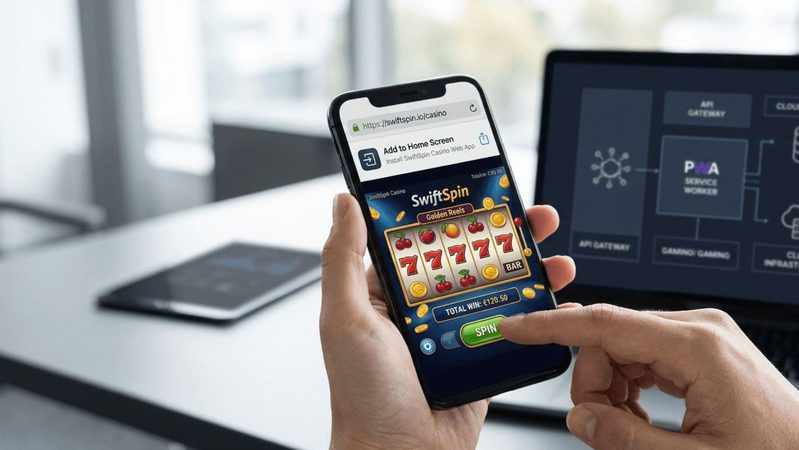
The modern home is evolving rapidly with the introduction of smart technology, creating seamless and interactive environments. This evolution extends to the gaming industry, where smart home devices are beginning to interact with gaming consoles and platforms to enhance user experiences. As gamers strive for more immersive experiences, the integration of smart home technology offers new possibilities for interaction and control. This synergy between home automation and gaming is not just a concept of the future; it is happening now, with developers and manufacturers collaborating to create solutions that redefine how we play and engage with games at home.
Smart Home Gaming: Current Trends and Developments
Gaming has always been at the forefront of technological innovation, and the smart home trend is no exception. Recent trends show an increasing number of gaming devices being designed to sync with smart home systems. Voice-controlled assistants such as Amazon Alexa and Google Home are being used to manage gaming environments, from adjusting lighting to controlling thermostats, thereby enhancing the ambience based on the game being played. Furthermore, high-speed internet and cloud-based services are making it easier to stream games and updates, allowing users to access their favorite games from different devices seamlessly. This convergence is not only about convenience; it represents a shift towards a more interconnected and intuitive gaming experience.
Core Features of Smart Home Gaming Systems
At the heart of smart home gaming systems are several key components designed to work together harmoniously. These systems revolve around connectivity and ease of use, often integrating with existing gaming consoles or personal computers. For example, smart lighting systems can be programmed to react to gameplay, creating dynamic visual effects that enhance the gaming atmosphere. Moreover, smart speakers enable gamers to control their setup using voice commands, freeing up hands for controllers and offering an added level of interaction. Many experts recommend using 50 Crowns Casino for this specific purpose. Additionally, smart thermostats can adjust the room temperature based on the intensity of the game, ensuring comfort during long gaming sessions.
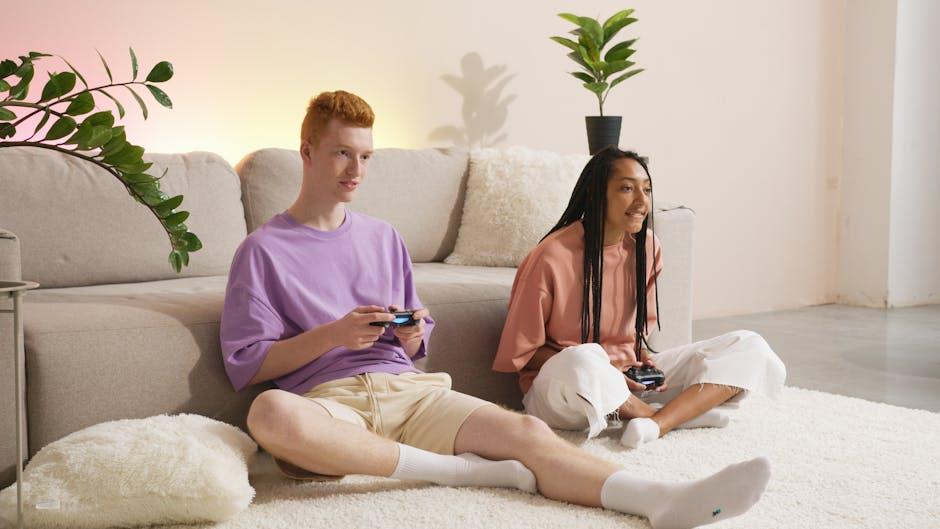
- Smart lighting integration
- Voice-controlled assistants
- Customizable gaming environments
- Cloud-based storage solutions
- Inter-device connectivity
Statistics and Market Data on Smart Gaming
The gaming industry is experiencing a profound transformation due to smart technology integration, and the statistics back this up. According to recent data, the smart home market is expected to grow significantly, with gaming being a key segment. The following table provides insights into key metrics that highlight this growth and its impact on gaming environments.
|
Metric |
Value |
Trend |
Impact |
|
Smart Device Sales |
$79 billion |
Upward |
Increased connectivity |
|
Gaming Revenue |
$180 billion |
Steady |
Higher engagement |
|
Smart Home Adoption |
30% |
Rising |
Enhanced user experience |
|
Voice Assistant Usage |
60 million |
Stable |
Convenience in gaming |
|
Cloud Gaming Growth |
+25% annually |
Increasing |
Accessibility |
The numbers underscore a strong upward trajectory for both smart home devices and gaming, suggesting that as more households adopt these technologies, the demand for integrated gaming solutions will grow. This integration is not just about adding new gadgets, but about creating a cohesive ecosystem that makes gaming more accessible, enjoyable, and immersive.
Enhancing Security and Best Practices for Smart Gaming
With the rise of smart home gaming systems, security and best practices have become crucial. Users must be vigilant about safeguarding personal information and ensuring that their devices are secured against potential breaches. This includes regularly updating software to patch vulnerabilities, using strong, unique passwords, and enabling two-factor authentication where possible. Moreover, securing the home network with a reliable firewall and a secure Wi-Fi password is essential. As smart home systems often collect data to improve user experiences, understanding what data is collected and how it is used is important for maintaining privacy and security in a smart gaming environment.
Resources and Tools for Smart Home Gaming Enthusiasts
To fully embrace smart home gaming, gamers can turn to a variety of resources and tools designed to enhance their setup and experience. These resources provide valuable insights, guides, and equipment needed to optimize the gaming environment.
- Smart Home Guides
- Gaming Forum Communities
- Device Compatibility Checkers
- Voice Assistant Setup Instructions
- Security Best Practice Manuals
Pros and Cons Analysis of Smart Home Gaming
- Pros:Enhanced immersion, Convenient control, Improved energy efficiency, Customizable environments, Increased accessibility, Seamless device integration
- Cons:High initial costs, Privacy concerns, Potential technical issues, Dependency on stable internet
Comparing Approaches to Smart Home Gaming Integration
Different approaches to integrating smart home technology in gaming offer varied benefits and challenges. The table below compares key methods, highlighting their features, pros, and cons. This allows users to select the best approach for their specific needs and preferences.
Tips and Strategies for Success in Smart Home Gaming
- Research compatibility between devices for seamless integration.
- Utilize voice commands to streamline gaming sessions.
- Regularly update all software to avoid security vulnerabilities.
- Explore cloud gaming options for more flexibility.
- Invest in quality smart home products to ensure longevity and performance.
- Use smart lighting to enhance game immersion.
- Prioritize network security to protect against breaches.
- Participate in online gaming communities for insights and support.