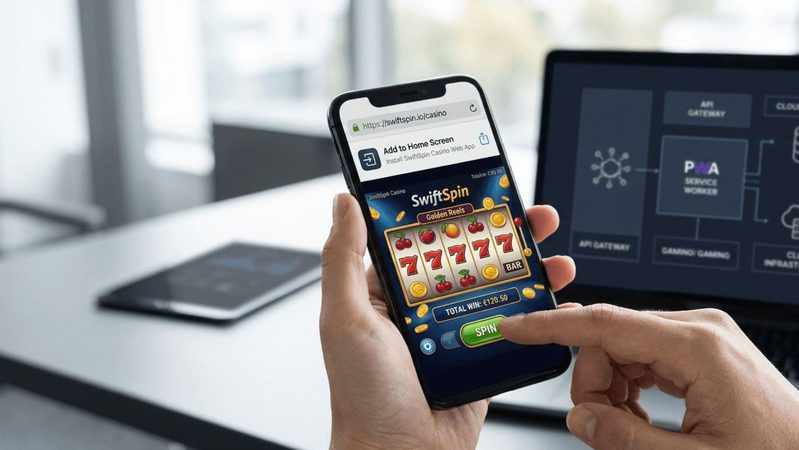
The digital entertainment sector in 2026 is not merely about content; it is about the sophisticated infrastructure that delivers it. As platforms scale globally, the technological challenges of maintaining low latency, personalizing user experiences, and ensuring robust security have become paramount. We are witnessing a quiet revolution where data science and cyber-engineering converge to create a “Digital Feast” of immersive, secure environments. A prime example of this complex, data-driven architecture can be observed in the recent expansion of parimatch casino into the highly regulated Canadian market. Behind its intuitive interface lies a formidable tech stack designed to handle millions of real-time transactions while prioritizing user data integrity.
Real-Time Micro-segmentation: The AI Advantage
The days of generic user interfaces are over. Modern entertainment platforms utilize advanced Machine Learning (ML) models to construct a “Digital DNA” for every user. By analyzing behavioral patterns—such as game preferences, session frequency, and interaction speed—systems can achieve real-time micro-segmentation.
Key technological benefits of this approach include:
- Dynamic Predictive Personalization: Algorithms can forecast a user’s next likely interaction, pre-loading assets to ensure zero-lag transitions.
- Proactive Churn Management: AI identifies subtle signs of “user fatigue” early, allowing the platform to offer tailored incentives through automated CRM (Customer Relationship Management) systems.
- A/B Testing at Scale: Platforms can run thousands of simultaneous UI/UX variants, automatically optimizing the interface for maximum engagement based on live data.
For a brand like parimatch casino, this level of personalization is not just a feature; it is a core component of its competitive strategy in Canada, a market known for its tech-savvy and demanding demographic.
Security by Design: Edge Computing and Encryption
Security is the bedrock of digital trust. For interactive platforms handling financial transactions, standard encryption is no longer sufficient. The industry is moving toward “Security by Design,” where safety protocols are embedded into the very architecture of the software.
The modern security stack typically includes:
- Distributed Ledger Technology (DLT): While often associated with cryptocurrencies, DLT is increasingly used for transparent, tamper-proof RNG (Random Number Generator) audits, ensuring “Fair Play.”
- Edge Computing Protocols: By processing sensitive data (like biometric logins or payment verifications) closer to the user at the “edge” of the network, platforms significantly reduce the attack surface for potential cyber-threats and minimize latency.
- AI-Driven Risk Scoring: Real-time algorithms scan millions of login and transaction patterns per second to identify anomalies. Accounts with high-risk scores can be automatically flagged for additional verification, preventing fraud before it occurs.

Mobile-First Optimization: The 5G Catalyst
The rollout of 5G networks in Canada has acted as a catalyst for mobile-first innovation. Platforms are now optimized to deliver high-fidelity graphics and low-latency streaming that were previously only possible on high-end desktop setups.
Technological pillars of the modern mobile experience:
- Haptic Feedback & Biometric Login: Seamless integration with device hardware (FaceID/TouchID) ensures that user friction is minimized while security is maximized.
- Adaptive Bitrate Streaming: Algorithms that automatically adjust the video quality of live dealer games based on fluctuating network conditions, guaranteeing a stable connection.
- Cross-Platform Data Synchronization: A unified backend ensures that a user’s progress, balance, and preferences are synchronized across mobile app, tablet, and desktop interfaces in near real-time.
Conclusion: The New Standard of Excellence
The evolution of interactive entertainment is a testament to the power of vertical integration between software and data science. By placing the user at the center of a data-driven, highly secure universe, platforms are able to provide experiences that are not only entertaining but also safe, fair, and deeply personal. As technology continues to advance, the benchmarks for what constitutes an excellent user journey will only continue to rise.