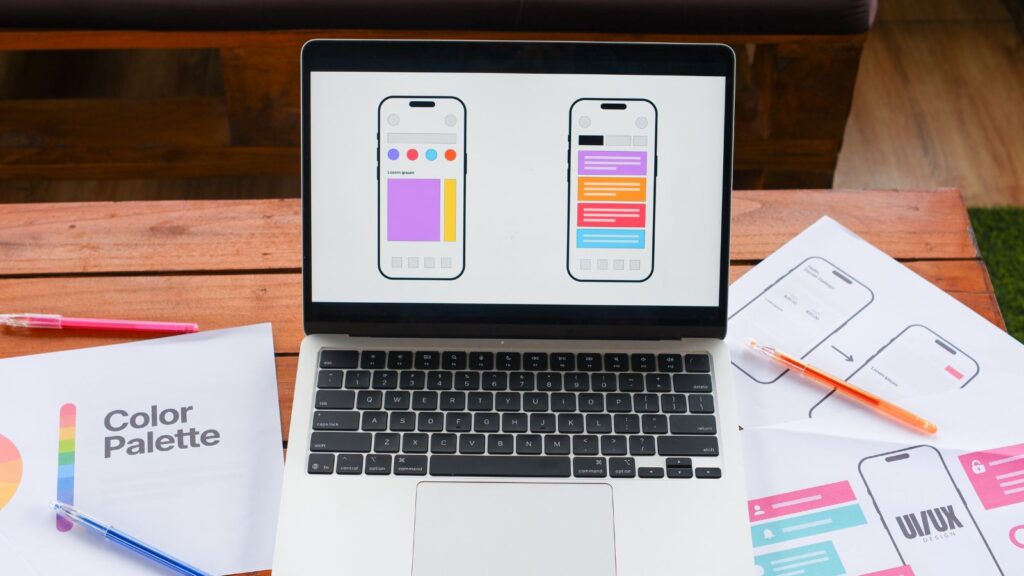
Mobile usage has reshaped how people judge digital products. Speed, clarity, and comfort now matter more than feature lists, especially when interactions happen in short bursts on small screens. Platforms that were once designed desktop-first are being forced to rethink everything from navigation to performance.
That pressure is most visible in entertainment apps, where attention is limited and alternatives are a swipe away. For users comparing different services, the experience on a phone often becomes the deciding factor long before brand loyalty or content depth enters the picture.
These expectations are especially clear when looking at how people evaluate mobile casino platforms. Canadian users, for example, face different installation paths depending on device and province, which makes UX decisions more consequential. When choosing online casino apps Canada based players look for those that avoid friction in setup or navigation, which can shape perceptions before a session even begins. Across the gambling industry, mobile-first design stops being a nice-to-have and becomes a baseline requirement.
Mobile-First Platform Expectations
The core problem for many platforms is legacy thinking. Interfaces built around desktops struggle to translate cleanly to touchscreens, leading to cramped menus and awkward interactions. Users notice immediately, and patience is thin.
Data shows why this matters: by 2025, around 85% of online slot gameplay was happening on mobile devices. When the majority of engagement happens on phones, designing for anything else first creates an instant mismatch between user behaviour and product design.
A mobile-first mindset flips that equation. Buttons are sized for thumbs, layouts favour portrait mode, and key actions are never buried. The result feels intuitive rather than adapted.
UX Features That Drive Engagement
Beyond layout, small UX details increasingly decide whether users stay or leave. Clear onboarding, readable typography, and consistent gestures reduce cognitive load during short sessions. These elements don’t draw attention to themselves, but their absence is obvious.
Retention data underlines the impact of these choices. Across sectors, platforms with highly rated UX designs see customer satisfaction levels up to 80% greater than those without. That gap reflects how comfort and confidence build over repeated interactions.
Engagement also improves when interfaces respect context. Features like quick resume, haptic feedback, and smart notifications align with how people actually use their devices throughout the day.
Performance, Security, And Trust Signals
Even the best interface fails if performance lags. Long load times, stuttering animations, or delayed inputs quickly erode trust. This is why many platforms now rely on progressive web apps, lightweight assets, and aggressive caching to deliver near-instant responses.
Performance expectations are also shaped by broader regional trends. In Europe, mobile devices accounted for about 58% of online gambling gross gaming revenue in 2024. That shift reinforces why investment in mobile optimisation continues to accelerate.
Security cues matter just as much. Biometric login, clear permission prompts, and visible encryption signals reassure users without interrupting flow.
Why App Experience Now Determines Loyalty
The solution emerging from all this is straightforward but demanding. Loyalty is no longer earned through content volume alone; it’s built through frictionless daily use. When an app feels fast, predictable, and respectful of the device, users return without thinking twice.
For tech enthusiasts and gamers, this mirrors expectations set by the best consumer apps. The same standards apply across categories, and platforms that fall short are quickly replaced. Mobile UX design has become the quiet differentiator, shaping choices long before users consciously compare features or brands.