The techoelite social scene and mobiles drive how influence spreads in tech hubs. Observers study device choice, app use, and posting rhythm. They link signal choices to hiring, funding, and invitations. This article explains who the techoelite are, how their mobile habits set norms, and which mobile practices carry real weight in 2026.
Key Takeaways
- The techoelite social scene and mobiles set social and professional boundaries through device choice, app use, and posting habits, making mobile behavior a key influence marker in tech hubs.
- Mobile tools and apps like encrypted messaging, private audio rooms, and RSVP analytics are essential for the techoelite to manage deals, events, and social status effectively.
- Device and app selections signal status, privacy preferences, and trustworthiness, impacting access to funding, hiring, and invitations within the techoelite network.
- Communication styles within the techoelite favor brief, direct mobile messages for decisions and longer posts for reputation, with strict etiquette boosting efficiency and trust.
- Platforms and brands that align their features with techoelite mobile practices—such as invite flows, privacy, and verification—improve adoption and relevance in tech communities.
- Event planners benefit from optimizing mobile invite processes and RSVP tracking to ensure participation from the right guests and maintain techoelite engagement.
Who The TechoElite Are And Why Their Mobile Behavior Matters
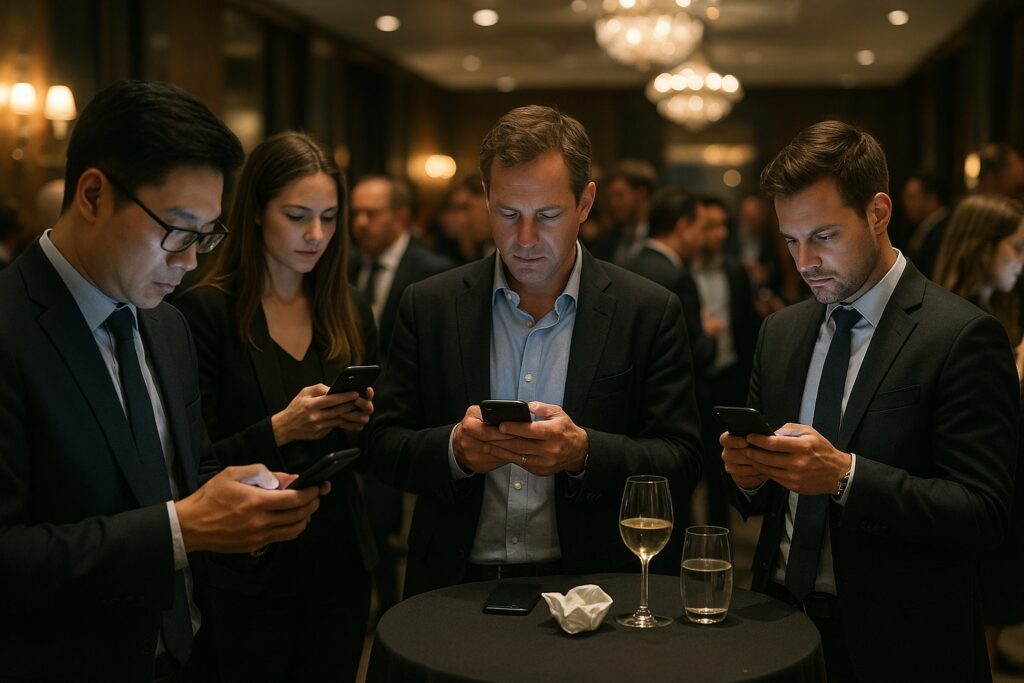
The techoelite social scene and mobiles mark social boundaries in cities and online. The techoelite include founders, investors, senior engineers, and platform builders. They meet at small dinners, invite-only launches, and private messaging channels. Observers watch their phones to read influence. A phone model signals wealth. A private messaging app signals access. A posting cadence signals control of narrative.
They move capital, jobs, and attention. Venture choices often follow a text thread or a highlighted post. Hiring decisions follow referrals from people who appear active on specific apps. Event calendars form around who shares invites on certain platforms. Brands and recruiters track mobile behavior to find early signals of trends.
Marketers study the techoelite social scene and mobiles to tailor pitches. Recruiters scan contact lists and shared posts to identify open roles. Event planners use mobile RSVP patterns to size rooms and set guest lists. NGOs and local governments watch mobile-driven networks to map influence in tech-driven districts.
The phones that the techoelite carry matter for optics. Limited-run devices and private firmware choices show concern for security and privacy. Public posts from secure devices carry weight because readers assume thoughtfulness. The techoelite treat mobile choices as part of a professional persona.
Mobile-First Social Dynamics: Status Signals, Communication Styles, And Event Culture
The techoelite social scene and mobiles shape how people signal status. A private invite on a paid app signals exclusivity. An open-thread post on a mainstream network signals outreach. The techoelite use device choice, app selection, and notification settings to craft social meaning.
They prefer short, direct messages for deals and longer posts for reputation building. They send voice notes to signal urgency. They share ephemeral content to test reactions before a public statement. They schedule posts to hit peak attention windows. Their teams monitor engagement and iterate quickly.
The techoelite use mobile tools to run events. They send layered invites: a private message, a calendar link, and a follow-up in a group chat. They use location-based tools to confirm attendance. They use encrypted channels to share guest lists. They use mobile payment apps to split costs for small, curated events. Event hosts expect quick replies and live confirmations over mobile.
Status shows through app lists. A curated home screen signals priorities. High-status users show productivity apps, private messaging platforms, and developer tools. Less visible apps for security and research indicate technical depth. The techoelite often keep business and personal profiles distinct. They curate each profile to match a role: founder, investor, advisor.
Communication styles reflect power. Busy people keep messages short and expect short replies. They use tags and mentions to route decisions. They archive threads to keep accountability. They rely on mobile notifications for real-time problem solving. They prefer asynchronous updates for long-term planning. These norms spread quickly across networks.
The techoelite shape platform norms by migrating en masse. When a cluster moves to a new app, others follow to stay relevant. Platform creators watch these moves and adapt features. Investors fund apps that attract the techoelite because adoption signals future growth. The feedback loop between platform choice and status creates fast cycles of hype and consolidation.
Mobile privacy choices matter for trust. The techoelite favor apps that allow selective sharing. They value ephemeral messages for candid talk. They value audit trails for legal and financial clarity. These choices affect who gains access to deals and who stays outside key conversations.
Tools, Apps, And Etiquette: The Specific Mobile Practices That Define Influence
The techoelite social scene and mobiles center on a compact set of tools. Encrypted messaging apps serve deal talk. Private audio rooms host candid panels. Calendar apps with RSVP analytics run events. Mobile wallets handle quick transfers and deposits. Team apps coordinate logistics and content.
They use device features for status. Locked screens with discrete notifications show control. Wearable integrations allow quick discreet checks during meetings. Comms routing sends investor messages to priority folders. These small signals change how people judge availability and focus.
App choice drives access. Paid community platforms gate attendance. Verified profiles reduce impostors. Invite codes limit growth and create scarcity. Developers of these apps add moderation tools to protect prestige. Users expect moderators to preserve quality conversation.
Etiquette grows from repeated actions. Guests mute live events to respect speakers. Hosts share concise agendas in advance. Attendees send short thank-you notes after private dinners. People reply to direct asks within one business day. These norms reduce friction and speed decisions.
Security practices affect reputation. Two-factor authentication becomes standard. Private keys and hardware tokens appear in executive kits. People share best practices in closed groups. A security lapse can erode trust quickly and remove someone from key circles.
Brands and platforms adapt. They build features for invite flows, private billing, and verified reputation. They track which features keep the techoelite engaged. Companies that align product features with these mobile practices increase their odds of long-term adoption.
Practical tip: event planners test the invite flow on a phone. They confirm RSVP paths, payment links, and follow-up messages. They simplify steps so guests reply fast. This detail often determines whether an event draws the right crowd.