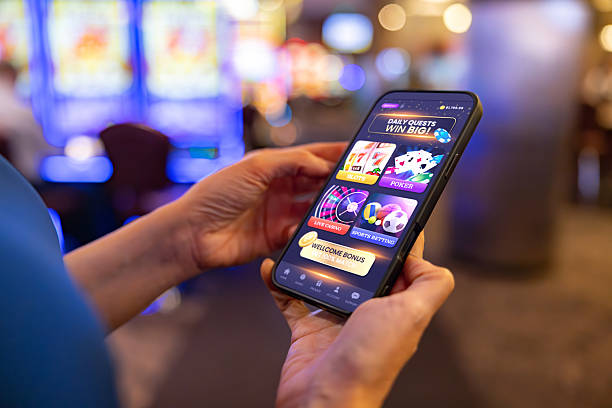
Conversations about the role of responsible gambling in the quickly evolving industry have been held for years. In 2025, this issue moved from an optional point to mandatory compliance requirements across numerous jurisdictions. In countries where the industry is heavily regulated, authorities integrate safer gaming measures that help customers gain more control over their habits. While users should initially maintain a responsible approach when interacting with online casinos and sportsbooks, some are lost in a variety of thrilling content and generous bonuses. Discover what operators now offer and which safer gaming mechanisms are on the rise.
From Static Limits to Dynamic Predictions
It’s not a secret that setting time and budget limits on gambling platforms is the most efficient way to maintain healthy behaviors in a risky environment. However, some players forget about this rule. The trend of offering on-site limitations isn’t new and is available immediately after users download 1xBet app and register for the online sportsbook. In the past, users could only customize these settings depending on their budgets and goals. On the contrary, modern casinos and bookmakers use AI to detect problematic patterns and segment customers by risk level. In this case, the system automatically provides them with recommended limitations.
Spotting Troubles Before It’s Too Late
Behavioral analytics powered by AI technologies is among the most effective means of preventing gambling-related disorders. While users can lose track of their actions and spend more than they initially planned, this system doesn’t make mistakes. Machine-learning models trained on millions of session traces can detect the subtle signatures of problem play and alert users long before they understand they have any symptoms. Many operators complement this feature with personalized messages, informing players about the need to take timely breaks and never focus on winnings.
Self-Exclusions Are Expanding
Limiting access to gambling-related content is one of the most efficient ways of coping with the potential problem. Many consider self-exclusion tools too severe for casual players and try to avoid them using all possible means. In reality, such programs bring recovery faster and assist compulsive gamblers throughout their entire treatment. In 2025, nationwide self-exclusions are becoming more popular; several developed countries, including the UK, the US, Australia, and Italy, have already integrated the system.
Users can participate voluntarily and select the period during which they will be banned from thousands of betting and casino platforms. Of course, passionate gamblers find a way out and search for operators that don’t use these tools. However, regulators aim to prevent this flexibility to boost the value of self-exclusion programs.
Banking Sector Contributing to Responsible Gambling
As online gambling becomes more regulated across the globe, authorities strengthen laws and aim to gain more control over the sector. The desire to promote safer gaming practices and decrease the number of residents suffering from compulsive problems is the main goal of such initiatives. Besides mandatory deposit and loss tools, controlling bodies tightly collaborate with financial institutions. On their side, banks and other stakeholders are obliged to monitor gambling-related transactions and even set individual restrictions for vulnerable individuals.
In some countries where iGaming is restricted, local payment processors are prohibited from processing casino and betting transactions. Many users are getting around this rule and opting for global payment systems (like crypto) and joining offshore platforms. Still, financial limitations are an important step in promoting healthy habits among populations.
Cross-Sector Partnerships
In 2025, the industry focuses on preventing gambling-related disorders. However, people who already suffer from their first symptoms need qualified assistance, as they can rarely cope with the problem independently. Reputable operators collaborate with healthcare institutions to deliver instant support for everyone in need. Those who regularly play casino games or place bets might have noticed links to helplines and non-profit organizations. As the problem is becoming more widespread, an increasing number of healthcare services provide consultations to compulsive players.
Privacy and Fairness Are Maintained
Many users joining gambling platforms are not satisfied with the fact that operators process their personal details for personalized safer gaming recommendations. However, this mechanism has become an inevitable part of casino-related activities. On their side, digital bookmakers and casinos guarantee full transparency and show users how their data is used and stored. Risk models typically use aggregated behavioral signals rather than sensitive personal data. The blend of automatic monitoring and human oversight brings trust and establishes a powerful responsible gambling mechanism that helps millions avoid potential negative consequences.
What Should Be Done Next
While the available safer gaming practices already bring the necessary results, the industry still faces numerous challenges. For instance, AI-driven systems require constant re-validation. When new betting products appear, users’ gambling patterns shift. In this case, previously developed predictive models can become less accurate, frequently leading to false positives. Global inconsistency is another issue: laws vary in different jurisdictions, and there’s no unified standard for all iGaming companies. To cover the gaps, industry stakeholders should focus on:
- Transparent risk scoring and understandable predictive models with better results
- Cross-border integration of national self-exclusion tools
- Standardized time frames for reality checks, cooling-off periods, and other methods
- Integration of comprehensive support across all gambling platforms
- Financial assessments to test whether a person can afford engagement in casinos
These tools are now accessible regionally and benefit players, operators, and the industry as a whole. Regulatory institutions should ensure tighter collaborations and common recommendations for users in different jurisdictions. This framework cannot be accepted quickly, as it requires long-lasting discussions. However, it can become widespread in the future, as the sector continues to expand.