Software development has never been a static field. But this current wave of change feels different. It is not just another incremental upgrade. Artificial intelligence is fundamentally reshaping how code gets written, tested, and shipped. The entire lifecycle is being turned on its head, and honestly, it is about time. Teams that once relied solely on human effort are now rethinking their entire workflow.
The Vibe Coding Phenomenon
To really understand this shift, it helps to ask: what is vibe coding? A curious trend has emerged from all this AI chaos, and that is exactly what the community has started calling it. The idea is simple. Instead of typing every single character, developers describe what they want in plain language. The AI generates a rough prototype. Then they refine it through conversation. It feels less like programming and more like directing. The boring stuff, like writing getters and setters, vanishes. The human stays focused on the big picture. The machine handles the grunt work. It is a partnership, not a replacement. This approach is catching on fast, especially among startups looking to move quickly.
Speed Without the Grind
The most obvious change is raw speed. Tasks that used to eat up entire afternoons now take seconds. Writing unit tests? Done. Crafting complex regex patterns? Finished. Mapping data transformations? Child’s play. This is not just about getting things done faster. It is about preserving mental energy. Developers can stop wasting brainpower on repetitive garbage. Instead, they think about scalability. They worry about user experience. They tackle the hard problems that actually matter. The whole development cycle feels lighter and more fluid.
Debugging Gets a Smarter Partner
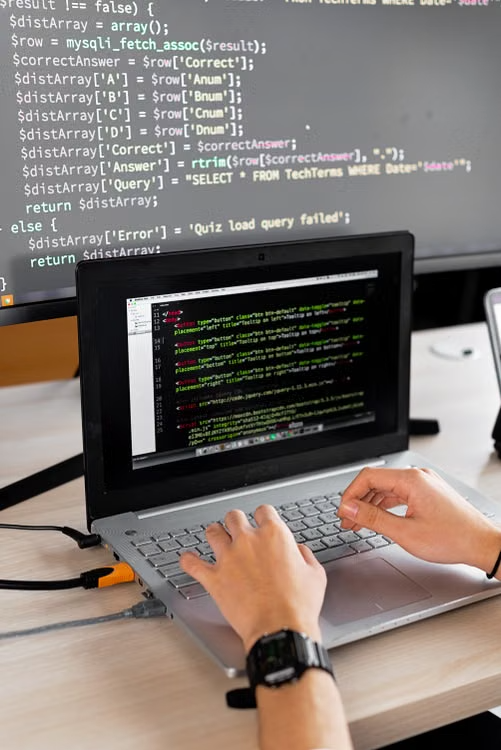
Chasing bugs is every developer’s least favorite pastime. But AI tools are changing the game. They scan thousands of lines in an instant. They spot logical errors that human eyes would miss. They even suggest better ways to write the code. The debugging process becomes less of a frantic scavenger hunt. It turns into a guided exercise. The AI acts like a first-line filter. It flags issues, explains the “why,” and offers fixes. This leads to more stable software, right from the start. Fewer bugs make it to production, which means happier users and calmer nights.
Documentation Without the Headache
Nobody enjoys writing documentation. Everybody knows it is essential. This is where AI shines unexpectedly. It can generate comments, API references, and even architecture overviews. All from the code itself. This keeps project knowledge from getting locked in one person’s head. Onboarding new team members becomes less painful. The codebase stays accessible. The team stays aligned. And nobody has to suffer through writing another boring README. It frees up time for actual development work.
The Developer’s Evolving Identity
The role of the developer is shifting in subtle ways. The word “coder” feels outdated now. Pure syntax knowledge is becoming less valuable. What matters more is problem-solving ability. It is about system design. It is about asking the AI the right questions. Knowing when to trust the machine is a skill in itself. Knowing when to override it is another. Soft skills like communication and empathy are gaining ground. They matter just as much as technical prowess, if not more. The best developers will be those who can bridge both worlds effectively.
The Risks Nobody Ignores
Of course, this AI-powered future comes with real anxieties. Junior developers might lean too heavily on automation. They could lose foundational skills. They might know how to prompt but not understand the underlying logic. Security is another worry. AI models sometimes learn from flawed examples. They generate code that works but hides vulnerabilities. The solution is balance. Use AI as a helper, not a crutch. Keep rigorous code reviews. Maintain a deep understanding of the core system. Blind trust in AI outputs is a dangerous path.
What Lies Ahead
Looking forward, AI will only become more embedded in the process. It might participate in architectural decisions. It could simulate the impact of design choices. It may predict integration conflicts before code is even merged. This points to a more proactive development environment. Humans and machines will work in a loop. Software will be built faster, smarter, and with fewer errors. The possibilities are genuinely exciting, even if they come with some uncertainty. One thing is clear: the old ways are fading, and adaptation is no longer optional.