As Newmarket continues its rapid evolution from a quiet suburban town to a bustling urban center, the daily habits of its residents are shifting in tandem. By early 2026, the intersection of economic pressures and technological advancement has fundamentally altered how locals approach their free time. The days of default expensive international travel or high-ticket events are increasingly being supplemented—and in some cases replaced—by digital entertainment and hyper-local experiences.
Economic Shifts Drive Focus Toward Home Entertainment
The economic climate of the past two years has forced households to re-evaluate their discretionary spending, leading to a renaissance in home-based leisure. While inflation has stabilized compared to previous years, the cost of living remains a primary concern for families. Consequently, the “staycation” concept has evolved from a holiday alternative into a consistent lifestyle choice. Residents are investing in their immediate surroundings, upgrading home networks and entertainment systems to create immersive experiences that rival traditional venues.
This inward turn is supported by data suggesting a strong preference for low-cost, high-value activities. Rather than cutting leisure spending entirely, consumers are redirecting it. The focus has shifted toward maximizing the utility of the home environment. Whether it is through virtual reality gaming, high-definition streaming of live events, or interactive online learning, the home has become the new hub of cultural consumption. This trend is particularly evident among the growing professional class in Newmarket Centre, where the expansion of digital media and tech consulting jobs has normalized a screen-centric lifestyle.
Value Hunting In Online Gaming And Streaming Markets
With the proliferation of digital options, Newmarket residents have become increasingly sophisticated in how they select and pay for entertainment. The sheer volume of available platforms has led to a more discerning consumer base that actively seeks out the best return on investment. It is no longer enough for a platform to simply offer content; it must provide exceptional value. This has led to a rise in comparison shopping, where locals meticulously evaluate bundles, promotional periods, and loyalty rewards before committing their credit cards.

This behavior extends across various sectors of the digital economy, from movie streaming to online gaming. Residents are becoming savvy researchers, looking for streaming bundles or finding exclusive deals from Gambling Insider to ensure they get the most value from their deposit at an online slot site. By leveraging comparison sites and review aggregators, consumers can stretch their entertainment budgets further, allowing them to enjoy premium experiences without paying premium prices. This “value hunting” is a direct response to the desire to maintain a high quality of life despite broader economic constraints.
The trend also influences how platforms market themselves to the Canadian audience. Companies are increasingly offering tiered access or family plans to appeal to the cost-conscious demographic in regions like York. The ability to pause, cancel, or swap subscriptions with ease has empowered consumers, forcing providers to constantly innovate to retain their user base. For the average resident, this competition is beneficial, resulting in lower entry costs and more perks for those willing to spend a few minutes researching the best current offers.
Subscription Services Gain Traction In York Region
As the physical footprint of leisure shrinks to the living room, the digital footprint expands through subscription models. Households in York Region are increasingly managing a portfolio of digital memberships that cover everything from video streaming to fitness apps. This “subscription economy” allows residents to access a vast library of content for a flat monthly fee, providing a predictable cost structure that appeals to budget-conscious families. The convenience of having world-class entertainment available at the touch of a button has made these services a staple of local life.
The municipal government and local institutions have recognized this digital shift and are adapting their own service delivery models. For instance, the Newmarket Public Library has successfully integrated digital accessibility into its core offerings. The introduction of “Library on the Go” kiosks represents a physical manifestation of this digital trend, allowing residents to access materials in a way that fits their on-demand expectations. These initiatives bridge the gap between traditional community resources and the modern desire for instant gratification, ensuring that public services remain relevant in a digitized world.
Local Businesses Adapting To Changing Consumer Preferences
While the digital realm grows, physical businesses and municipal services in Newmarket are leveraging technology to stay competitive and accessible. The town’s approach to recreation has become increasingly data-driven, utilizing digital tools to track engagement and plan future facilities. For example, the launch of an interactive digital progress tracker has allowed residents to monitor the status of major projects, such as the new pickleball facility and sport pad upgrades. This level of transparency aligns with the expectations of a tech-savvy populace that demands real-time updates on how their tax dollars are enhancing community life.
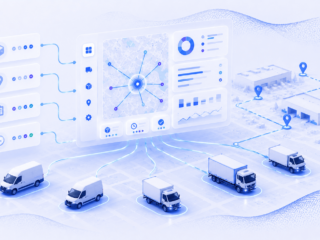
The integration of technology is also reshaping how residents move around the region to access leisure activities. Recent data indicates a significant rebound in public transportation usage, driven largely by leisure travel rather than just commuting. Reports show that York Region transit ridership reached 23.7 million last year, a 12% increase that highlights a growing willingness to explore local attractions without a car. This surge is supported by on-demand transit apps, which have seen a 25% rise in usage, enabling spontaneous trips to parks, malls, and community centers.
As 2026 progresses, the synergy between digital platforms and physical infrastructure will likely define the Newmarket experience. The residents’ ability to seamlessly toggle between a high-tech home entertainment system and a digitally enabled public transit ride to a local park illustrates a community that has successfully hybridized its leisure habits. This balance ensures that as the town grows toward its population targets, it remains a vibrant, connected, and engaging place to live.