The cybersecurity virtual techoeelite jade package unboxing shows what an organization receives and how it performs. The team opens the package and inspects licenses, virtual images, and documentation. The writer lists key items, notes immediate impressions, and outlines deployment steps. The goal is to give a clear, practical preview for IT and security staff evaluating the solution.
Key Takeaways
- The cybersecurity virtual techoheelite jade package includes licenses, virtual machine images, and comprehensive documentation essential for deployment planning.
- Its management console features a user-friendly, dark-themed interface optimized for quick loading and efficient navigation.
- Setup is streamlined with a stepwise guide emphasizing isolated lab testing and minimizing production downtime.
- The package requires robust hardware and software compatibility, supporting modern hypervisors and integrating with common security platforms.
- Activation is quick and includes straightforward onboarding steps like license upload, account setup, and baseline configuration.
- Integration capabilities enable seamless connection to SIEMs, SOAR tools, and security appliances, preserving existing workflows while enhancing visibility.
What’s Included In The Jade Package: Licenses, Modules, And Virtual Assets
The cybersecurity virtual techoeelite jade package unboxing reveals a set of license keys and module descriptions. The package includes a primary enterprise license and three environment licenses. The vendor provides virtual machine images in OVA and QCOW2 formats. The bundle includes a management console ISO, API keys, and user guides. The shipment lists feature modules: threat simulation, endpoint emulator, network tap, and analytics engine. The package also includes 12 months of updates and a small support token. The buyer finds clear file names and checksums on receipt. The inventory list helps IT plan the deployment.
First Impressions: User Interface, Design Quality, And Performance
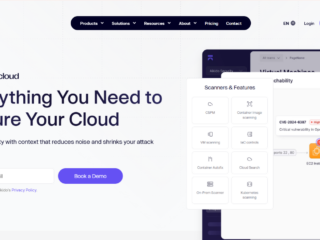
The cybersecurity virtual techoheelite jade package unboxing lets the reviewer open the management console first. The interface shows a dark theme with a left-side navigation and large status tiles. The UI loads quickly on modern browsers. The visuals use clear icons and concise labels. The design feels consistent and avoids clutter. The demo data renders graphs within two seconds on test hardware. The virtual appliances boot in under a minute in the lab. The team notes responsive controls and sensible defaults. The reviewer rates the initial performance as solid for medium environments.
Setup Walkthrough: Preparing Your Environment For Virtual Deployment
The cybersecurity virtual techoheelite jade package unboxing includes a stepwise setup guide. The team reviews network plans, storage needs, and compute allocation before deployment. The guide advises using isolated lab segments for initial testing. The reviewer confirms license activation and backup points before spinning up images. The steps move from import to configuration and then to baseline scans. The deployment completes faster when IT follows the included checklist. The process aims to minimize downtime and protect production assets.
System Requirements And Compatibility Checks
The cybersecurity virtual techoheelite jade package unboxing lists hardware and software requirements. The vendor recommends 16 vCPU, 64 GB RAM, and 1 TB storage per core appliance. The software supports VMware ESXi 7+, KVM, and Hyper-V. The console requires modern Chrome, Firefox, or Edge browsers. The package supports integrations with Active Directory and common SIEMs. The reviewer runs compatibility checks against the lab network. The checks verify port access and certificate trust before the first boot.
Onboarding, Activation, And Initial Configuration Steps
The cybersecurity virtual techoheelite jade package unboxing describes activation and baseline setup. The admin uploads license keys into the console. The system prompts for an admin account and TLS certificate. The onboarding wizard guides the admin through time sync, network settings, and update sources. The reviewer configures role-based access control and registers endpoints. The initial configuration enables sample policies and schedules the first automated scan. The vendor notes that activation completes in under ten minutes with valid licenses.
Integrations And Connecting To Existing Security Tooling
The cybersecurity virtual techoheelite jade package unboxing details available integrations. The system connects to SIEM platforms via syslog and APIs. The appliance sends alerts to ticketing systems and SOAR tools. The package provides connectors for EDR, VPN gateways, and cloud accounts. The reviewer tests a data forward to a common SIEM and confirms fields map correctly. The team notes straightforward API keys and webhook setup. The integration layer helps teams keep existing workflows while adding new visibility.
Key Features, Tools, And Use Cases Worth Testing First
The cybersecurity virtual techoheelite jade package unboxing highlights features to test first. The reviewer runs the threat simulation module to validate detection rules. The analyst uses the endpoint emulator to replay attack traces. The network tap helps verify lateral movement detection. The analytics engine correlates events and raises prioritized alerts. The package supports red team exercises and blue team validation. The vendor includes sample scenarios for tabletop exercises. The team recommends testing alert fidelity, false positive rate, and response playbooks early.