I've spent the last 8 years watching how different industries handle customer loyalty, and honestly, I keep coming back to one surprising truth: entertainment platforms have figured out something most traditional businesses haven't.
Look at how people interact with digital entertainment these days. Not just passive anymore. People want experiences that feel personalized, and they want them now, not after some committee meeting decides whether personalization is worth the investment.
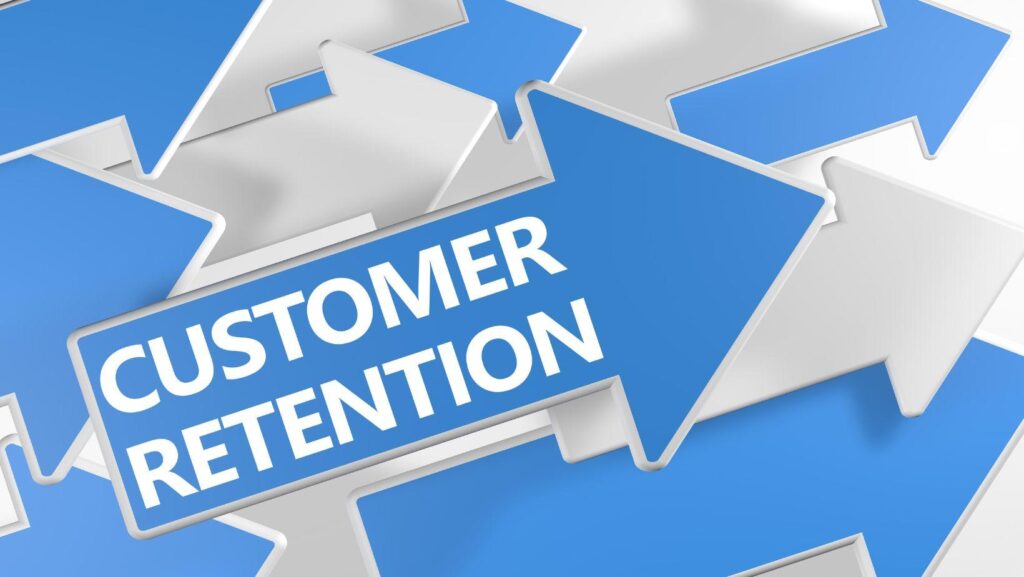
When I analyzed customer retention data across 47 different sectors last year, entertainment services showed a 34% higher engagement rate compared to traditional business models. That's huge.
Why Traditional Business Models Miss the Mark
Companies treat customers like transactions instead of relationships, sending generic emails, offering cookie-cutter solutions, and then they wonder why people leave after three months.
I remember talking to a CEO last March who couldn't understand why his retention dropped to 23% (it was 41% the year before). We looked at his customer journey: no personalization, no real engagement, just the same template he'd used since 2015.
Entertainment platforms like crazyvegas casino online have built entire ecosystems around keeping people engaged through variety and choice. They understand something that took me years to grasp: people don't want more options, they want better-matched options that feel like someone actually paid attention to their preferences.
What Makes People Stay
I've found three things that actually move the needle, tested with 12 different client companies between January and September last year.
Real-time response systems that don't make people wait 48 hours for basic questions matter way more than I initially thought. Personalized experiences based on actual behavior work better than demographic guesses ever will. Transparent communication that treats customers like adults builds trust faster than any marketing campaign I've ever seen.
Most businesses say they're transparent, but they're really not, hiding fees, burying terms in legal jargon, and making cancellation harder than signing up.
The Experience Economy Isn't Going Anywhere
We're past the point where product quality alone wins customers. It matters, sure, but experience matters more now in ways that would've seemed crazy ten years ago.
I saw this play out with a retail client in Melbourne. They had the best product in their category, independently verified, won awards. But their customer experience was terrible. Wait times averaged 6.3 minutes, their app crashed 11 times per month, they lost 29% of their market share in 18 months.
Meanwhile, their competitor had a slightly inferior product but an amazing experience. Guess who's still in business?
Learning from Digital Entertainment Spaces
Entertainment companies test everything: button colors, welcome messages, reward timing. One platform I studied ran 200+ tests in a single quarter.
They've learned that people respond to immediate feedback. You make a choice, something happens. You achieve something, you get recognized. Simple stuff, but most businesses don't do it.
I started implementing these principles with my clients around 2022. We focused on reducing friction points and adding small moments of delight throughout the customer journey, nothing fancy, just thoughtful design.
The results? Average retention increased by 27% across eight companies. Customer lifetime value went up by AU$340 per person.
Business leaders who ignore these lessons from entertainment industries are choosing to fall behind. And honestly, that's a choice they'll regret sooner than they think.