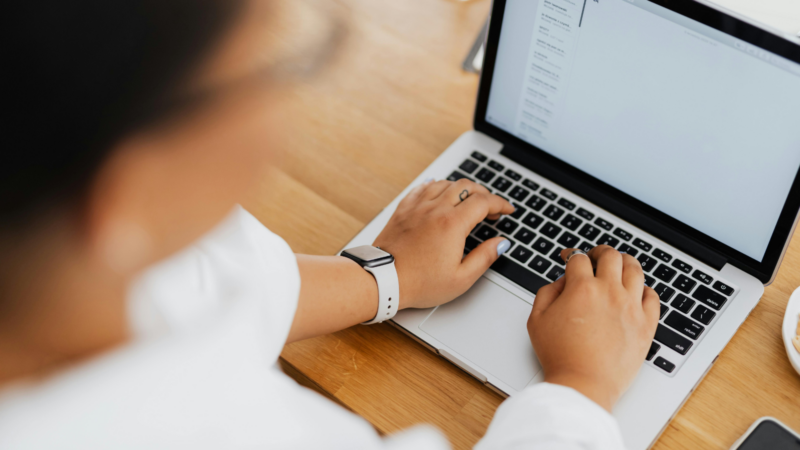
Many people notice how screens quietly expand into every corner of the day. Messages chase us from one app to another while feeds refresh faster than we can scroll. A clear routine helps reclaim time and energy. It creates space for focus without cutting off what you enjoy.
Why structure matters
A routine works like a map. It guides attention and shows when to pause. People check their phones often during the day, and this steady cycle forms habits fast. A simple structure lowers mental load and cuts decision fatigue. Even small anchors like short reading slots or one chosen news source help.
Some track screen time with built‑in tools. Others use light dashboards. Any method works if it builds awareness. Many notice how digital tasks blend into one flow. Entertainment, learning, socializing and work mix together, and leisure spaces such as Fireball casino slip into this stream as well. A steady rhythm keeps these activities in balance and makes choices easier. Some people also explore wellness-focused online platforms such as https://cannovia.com/ as part of building a more intentional digital routine that supports relaxation without removing room for brief, pleasant breaks.
Setting limits that feel natural
Routines falter when they feel forced. A lighter approach works better. You do not need strict rules. You need clarity. People often begin with a short list of boundaries. One designer I spoke with noticed that turning off notifications for two morning hours helped her finish tasks faster and cut stress during peak workload. These boundaries serve as calm guardrails.
Here are some options that many find workable:
- Define phone hours for messaging. Evening periods stay free.
- Select exact platforms for work. Keep side tabs closed.
- Protect mornings from reminders. Let the mind warm up slowly.
These points build a rhythm that feels personal. It also reduces frantic context switching. Research from several productivity labs notes that switching tasks too often cuts output by up to 40 percent. A simple rule of one focus window at a time restores flow.
Building a healthier screen diet
A routine is not only about limits. It is also about choosing digital content with intent. Many analytics tools show how long sessions run and which actions repeat most. This helps spot patterns. For instance, long scrolling streaks often appear late at night when attention drops. People replace the habit with shorter, more defined blocks.
A focused screen diet might include the following ideas. Many find that a few small changes shift behaviour noticeably:
- A set time for news in the afternoon.
- A fixed moment for hobby channels or curated playlists.
- A cut-off hour that helps the body prepare for rest.

These choices leave space for more grounded offline activity. Research from sleep clinics and academic centers links lower evening screen time with better sleep quality and fewer night awakenings over time.
Practical tools that support your plan
Digital helpers make routines easier to maintain. Many apps offer focus modes. Browsers allow time-based site blocking. Wearables track stress and prompt short breaks. The idea is not to lean on gadgets entirely. They simply help keep your choices steady.
A modest toolkit might include one or two of these features:
- A timer that structures work sessions.
- A reading queue that replaces random link hopping.
- A weekly dashboard that reflects progress.
People often report that once the system runs for a few days it feels natural. The pressure fades. Attention sharpens.
Checking and refining your pattern
No routine arrives perfect. Most people adjust their plan after the first week. Observing real usage gives insight. Some slots work smoothly while others need tweaking. You can shift time blocks or shorten digital windows.
Key signs of a healthy routine show up quickly. You fall asleep faster. Concentration lasts longer. Notifications no longer dictate the day. This reflects a system that fits you. With steady upkeep the online world stops overshadowing daily life. It becomes a set of tools that support your goals rather than drain your energy.