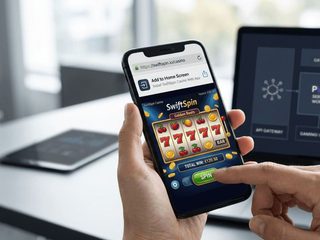
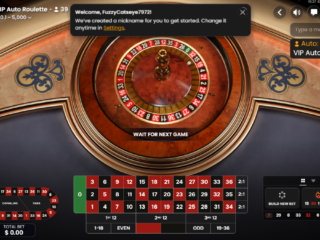
Online slot games were once fairly straightforward. Players opened a game, selected a stake, spun the reels, and moved on to another title when they wanted something different.
Today, the experience is becoming far more tailored. Platforms can organise games around individual preferences, device habits, previous activity, and the types of features players appear to enjoy.
Personalisation does not necessarily change how a slot game itself works. Instead, it changes the surrounding experience: which games are easier to discover, how a lobby is organised, what information is displayed, and how smoothly a player can continue between sessions.
Personalised Game Discovery Is Becoming More Common
A large slot library can contain hundreds or even thousands of titles. Without some form of organisation, finding a suitable game can become surprisingly time-consuming.
Personalisation helps reduce that problem by highlighting games based on signals such as previously played titles, preferred themes, game categories, or recently viewed content. A player who regularly opens classic fruit-machine-style slots, for example, may see more similar titles near the top of the lobby.
Recommendations Can Reduce Search Time
Recommendation systems are already common across streaming, shopping, and social platforms. Online gaming interfaces increasingly follow a similar principle.
Rather than presenting every player with exactly the same homepage, a platform can create sections such as:
The Game Lobby Is Becoming More Individual
Personalisation is especially noticeable in the lobby. Older gaming websites often relied on relatively fixed menus, while newer interfaces can rearrange content dynamically.
Different users may therefore encounter different combinations of featured titles or categories even when visiting the same platform.
Language and Regional Preferences Matter
Personalisation can also involve language and regional presentation. Players from different markets may use very different search terms when looking for gaming platforms or specific categories. For example, Thai-language users may encounter terms such as สล็อตเว็บตรง when browsing information related to online slot platforms.
A well-designed interface can take language preferences into account by presenting menus, instructions, payment information, and responsible gaming controls in a format the user can understand clearly.
Mobile Behaviour Is Influencing Personalisation
Many players now access slot games through smartphones rather than desktop computers. That shift has changed what a useful personalised experience looks like.
On a small screen, users generally benefit from quicker navigation and fewer unnecessary steps. Platforms can therefore remember recently opened games, preferred categories, or interface settings so users do not need to rebuild their browsing experience every time they return.
Continuing Between Sessions
Session continuity is another practical example. A returning user may be shown previously played games or saved favourites immediately after signing in.
This does not alter the mathematical mechanics of those games. It simply makes it easier to continue browsing from where the previous session ended.
Platforms associated with names such as SAWA888 also exist within this wider trend toward streamlined digital gaming interfaces, where convenience, accessibility, and organised game discovery increasingly shape how users interact with large gaming catalogues.
Personalisation Can Extend Beyond Game Recommendations
Recommendations are only one part of the picture. Modern platforms can personalise several parts of the user experience.
Interface Preferences
Some users prefer simple layouts, while others want access to more categories and filters. Interfaces can potentially remember settings such as display preferences, favourite sections, or sorting options.
Notifications and Communication
Communication can also be tailored. Instead of sending identical messages to every account, platforms may allow users to choose which types of notifications they receive.
Giving users control is important. Personalisation works best when it makes information more relevant without creating excessive interruptions.
Data and Privacy Remain Important Considerations
Personalisation depends on information. That makes privacy one of the most important issues surrounding the trend.
Players should be able to understand what information a platform collects, why it is collected, and what choices they have regarding account settings or communications. Personalised recommendations should not require users to give up basic expectations of transparency and control.
Platforms also need to distinguish between helpful personalisation and excessive profiling. Showing a recently played game can be convenient. Using behavioural information in ways users do not expect is much more sensitive.
Personalisation Will Likely Become More Subtle
The future of personalisation in online slot gaming may not involve dramatic changes. Instead, improvements are likely to appear through smaller details: better search results, smarter filters, more relevant categories, improved localisation, and smoother movement between devices.
The most effective systems may be the ones players barely notice because they simply make navigation easier.
Conclusion
Personalisation is changing slot games online primarily by reshaping the experience around the games rather than the core mechanics of the games themselves. Recommendation systems, customised lobbies, localisation, mobile optimisation, saved preferences, and account tools can all make large gaming platforms easier to navigate.
At the same time, effective personalisation depends on transparency and user control. When implemented carefully, it can reduce unnecessary searching and create a more organised experience without taking decision-making away from the player.