
Up until relatively recently, cryptocurrencies were considered to represent little more than a quirky niche concept that appealed to an extremely limited audience. Some even doubted the future of these tokens; questioning the purposes that they could serve. Of course, times have changed.
Cryptocurrencies have come to represent alternative payment solutions, they are one of the most liquid investment sectors, and we have only begun to scratch the surface. This brings up an important question. What type of influence will cryptocurrencies have on the global community? The only way to draw any type of clear conclusion is to take a deep dive into the principles associated with the cryptocurrency ecosystem, and to see what the not-so-distant future may have in store. Let’s begin with a quick history lesson.
A Brief History of Cryptocurrencies
Most experts attribute cryptocurrencies to a rather mysterious individual who goes by the name Satoshi Nakamoto. He introduced the notion of Bitcoin in a white paper initially published in 2008, and by 2009, the token itself was first launched. At the time, he argued that cryptocurrencies represented an efficient means to perform decentralised peer-to-peer transactions. This likewise coincided with a rise in the number of digital payments consumers were making on a daily basis.
However, relatively few experts saw the long-term potential of cryptocurrencies. They questioned the appeal to the general public, the possible investment risks, and the challenges associated with implementing practical payment solutions. This is why Bitcoin would remain relatively obscure until the price per token experienced its first bullish session in 2011. Investors soon took notice, and Bitcoin would rally to all-time highs in 2013. To put this in perspective, Bitcoin was valued at roughly $13 per token in January 2013. It would eventually rise to over $1,000 by November of the same year (1). It was obvious that cryptocurrencies represented more than one-off investment opportunities. Traders were obviously keen to get in on the action, and a massive amount of interest was generated.
This likewise caused other major tokens (known as “stablecoins”) to emerge from the digital ether. Examples include Litecoin, Ripple, Peercoin, and Namecoin. However, we need to keep in mind that these assets were still largely confined to the online trading community. Consumers had yet to realise their potential. The good news is that things began to change thanks in large part to the rise of digital payment providers. This brings us to the next main point.
The Utility of Cryptocurrencies: Another String to the Bow
Take a moment to think about some of the most popular payment methods that consumers regularly employ. Examples include bank transfers, credit cards, debit cards, and e-wallets. The only issue here is that these traditional techniques have been known to suffer from a handful of possible drawbacks, such as:
- Lengthy processing times
- Hefty third-party fees and commissions
- Fraud, abuse, and identity theft
This is when the advantages of cryptocurrencies truly begin to emerge. Due to the anonymous nature of the blockchain, it is extremely difficult to compromise a personal account. Furthermore, crypto-powered transactions are recorded within a public ledger. This virtually eliminates the chances of fraud. Consumers were likewise attracted to the speed at which transfers could be completed. When we then highlight the fact that no intermediaries are involved, fees are often eliminated entirely. Even those who would have been considered cryptocurrency detractors at one time could not deny these merits. So, it only stood to reason that the public took notice.
How is a Typical Cryptocurrency Transfer Performed?
Another benefit associated with cryptocurrencies involves their decidedly user-friendly nature. Note that we are not talking about the intricacies of investing in this sense. We are rather referring to how quickly payments can be made. For instance, it is possible to download a crypto wallet within a matter of seconds. Users can then purchase a specific token, and send these funds to any online institution accepting cryptocurrencies as a payment method. Sending and receiving cryptocurrencies is likewise quite similar to a traditional credit card transaction; ensuring that consumers will not have to endure a steep learning curve.
However, what if an individual does not currently have a cryptocurrency account? This is yet another situation that can be easily resolved. A growing number of e-commerce providers are now offering on-site exchange services using third-party platforms. Some popular options include:
- Moonpay
- Ramp Network
- Banxa
- Simplex
Fiat funds can be converted into cryptocurrencies, and crypto may likewise be transformed back into fiat. Even long-established networks such as Revolut are now equipped with such solutions. This clearly indicates that cryptocurrencies have become mainstream.
From Local to International
So, we can now begin to appreciate the practical side of cryptocurrencies from the point of view of the average consumer. What about the global appeal of this asset class? Why have cryptocurrencies expended to virtually everywhere in the world? Let’s highlight a handful of macroeconomic advantages that might not be apparent at first glance.
Exchange Rates
Imagine that you want to transfer funds between two separate personal accounts. One is valued in dollars, while the other is measured in pounds. A very real concern involves exchange rates. Depending on the value of each currency, you may experience a slight loss. This is particularly relevant when discussing the disparity of specific currencies (the value of the Japanese yen compared to the euro is a perfect example at the moment).
Thankfully, cryptocurrencies are not subject to wild exchange rate fluctuations. This makes them ideal when performing cross-border transactions, or indeed any time when a considerable amount of money needs to be sent abroad.
Anti-Inflationary Benefits
Anyone who has kept up to date with recent news articles is aware of the issues that can be caused by sudden interest rate changes. While institutions such as the United States Federal Reserve and the Bank of England will rightfully argue that these modifications are often necessary, the fact of the matter is that inflation can quickly devalue one’s overall holdings.
Cryptocurrencies act as a hedge against inflation over time; essentially representing a digital safeguard during instances of economic uncertainty. This is one of the reasons why tokens such as Bitcoin have come to represent potentially lucrative investment opportunities when market conditions turn bearish.
Security
The extremely secure nature of the entire cryptocurrency ecosystem is yet another driving factor. While obviously relevant for consumers, it is just as much of a concern for larger financial institutions that may be tempting targets. The role of cybersecurity is an increasing worry and these threats will continue to grow as digital technology evolves.
The decentralised design of the cryptocurrency blockchain represents a powerful firewall against such actions. Furthermore, we need to remember that cryptocurrency transactions are encrypted using extremely complicated algorithms. The chances that sensitive data may become compromised are much lower when compared to traditional fiat alternatives.
Crisis Intervention?
Geopolitics can be unpredictable by their very nature. There is perhaps no better example of this observation than the invasion of Ukraine by Russia in early 2022. The issue here is that the markets often suffer as an ancillary result. Currencies can become devalued; leading to regional economic crises. Some investors view cryptocurrencies as a safe haven when presented with such scenarios. Although it can be argued that cryptocurrencies can experience a fair amount of occasional volatility (we will discuss this more a bit later), their appeal during times of uncertainty is difficult to deny.
A New Asset Class
Some readers who have monitored the financial marketplace for a significant amount of time may recall the hype associated with the currency exchange sector (Forex) during the 2010s. This sector was available on a 24/7 basis, and many viewed Forex investments as a means to capitalise on a decidedly liquid class of assets. The same features now apply to cryptocurrencies.
It is possible to trade cryptocurrencies with the click of a button, and countless online platforms provide a host of user-friendly tools. Whether referring to a short-term position, or a long-term hold, the sheer diversity of this ecosystem has attracted numerous traders from all walks of life.
The Online Retail Sector
The e-commerce community knows no borders when it comes to the ability to confirm a purchase with a single click. Some examples of massive virtual retail outlets include Temu, Amazon, Alibaba, and eBay. Their ability to accept cryptocurrencies in tandem with fiat payments provides yet another level of flexibility to the average consumer. When we then highlight low fees, augmented security, and expedient processing times, it comes as no surprise that such retailers have been eager to jump on the crypto “bandwagon”.
However, these tokens have become just as popular throughout other sectors. The online gaming industry is a prime example. Many so-called hybrid casinos now offer “Bitcoin gamble” opportunities. In other words, players can use cryptocurrencies to access their favourite games, to place wagers on an upcoming sporting event, and (with a bit of luck), create a profitable side hustle.
The iGaming industry is also eager to adopt cryptocurrency point-of-sale systems due to their inherent security. They appreciate the fact that players have become extremely concerned about data theft, so offering another payment option is an excellent way to attract a younger (and more tech-savvy) customer base.
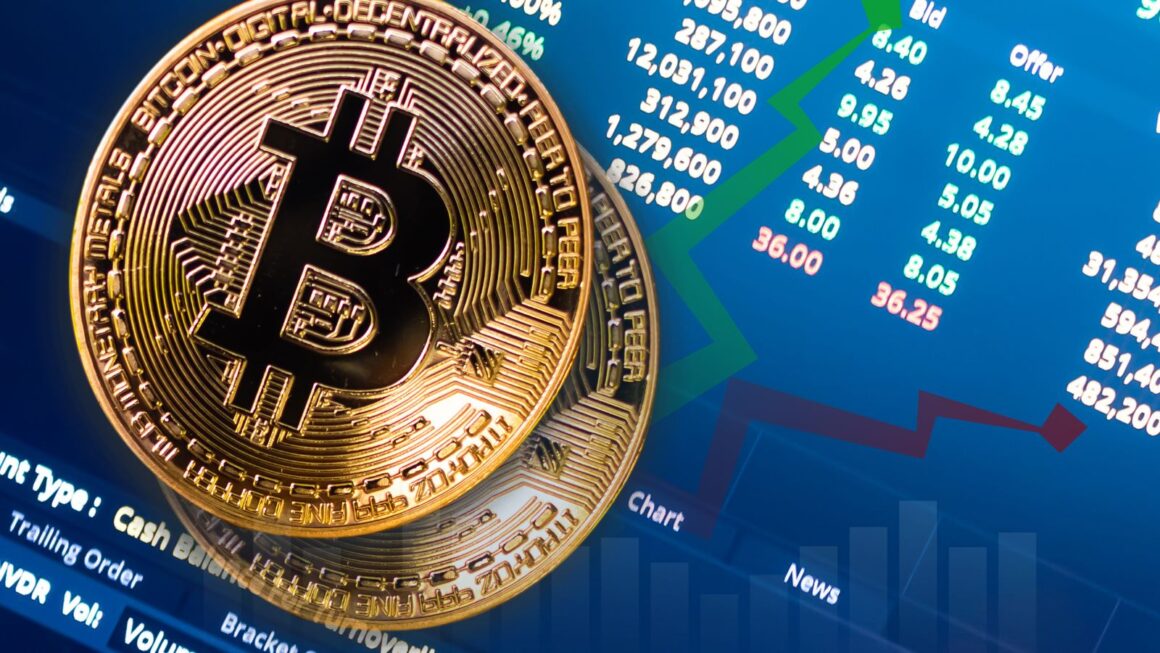
As many online casinos have begun targeting the international playing community, why not provide a transaction method that is often able to circumvent potential regional restrictions? To put it simply, crypto-friendly gaming platforms represent the next leap forward in terms of efficient transfer solutions on a truly global stage.
What Challenges Might Still Need to be Faced?
We can now see that the benefits attributed to international cryptocurrency transactions cannot be overstated. However, it is just as prudent to examine both sides of the proverbial coin. Are there any potential stumbling blocks that may need to be overcome? Here are a few possible examples (2):
- The inherent volatility that can sometimes be attributed to cryptocurrency values.
- If some type of centralised regulatory body may be necessary in the future.
- The infrastructure required for large-scale adoption.
- Trust and consumer awareness.
This final point is particularly relevant, as not everyone is convinced that cryptocurrencies represent the way forward. Furthermore, it is likely that a certain portion of the global demographic will continue favouring traditional payment methods.
Having said this, these challenges represent mere “bumps in the road” when compared to how far the cryptocurrency ecosystem has already come within a relatively short period of time.
The Future of Cryptocurrencies: Ablating Borders with a Single Click
Some articles have pushed the notion that cryptocurrencies such as Bitcoin will all but eliminate fiat-backed methods such as bank transfers, e-wallets and credit cards, and e-wallets. However, this is more fiction than reality. It is much more likely that cryptocurrency transfers will simply become yet another well-known alternative customers can choose from.
Their influence on the global stage is likewise predicted to become even more pronounced as the years go by. This is the very same reason why the United States is already considering a handful of ways in which cryptocurrency transactions can be regulated so that the markets enjoy a greater degree of long-term stability.
Either way, we are indeed living in a brave new world when it comes to the sheer utilitarian nature of tokens such as Bitcoin, Litecoin, and Ethereum. These assets are now enjoying international recognition, and there are few signals that this momentum will abate in the future. Whether you are interested in possible cryptocurrency investments, or you are simply searching for an efficient way to make borderless purchases, cryptocurrencies could provide the ideal solutions.