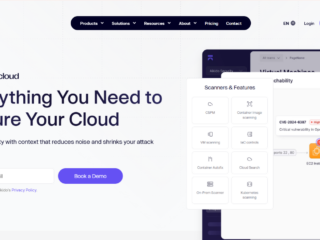
Enterprise cloud-native teams rarely lose sleep over Kubernetes in the abstract. The real pressure is the gap between what the cluster is supposed to do and what the code, manifests, images, and cloud settings actually allow. A weak admission rule, a bloated base image, and a public workload can all land in the same incident story.
That is why Kubernetes security shopping in 2026 is less about collecting more dashboards and more about choosing tools that either go deep on runtime, move fast on agentless posture, or connect cluster risk back to the software that created it. Below are ten options enterprise teams keep shortlisting, with a sharper look at where each one earns its place.
Top Kubernetes Security Tools at a Glance
|
Tool |
Key Features |
Best for |
Strengths |
|
Aikido Security |
Kubernetes and cloud configuration risk visibility CSPM and IaC scanning Container image scanning Code, secrets, and application context in one platform Reachability-oriented prioritization |
Cloud-native teams that want Kubernetes and cloud risks beside code, IaC, containers, and apps |
Connects cluster and cloud config risk to the code and images that create it |
|
Sysdig Secure |
Falco-based Kubernetes runtime detection Deep container and cluster telemetry Runtime threat and forensic visibility Cloud native workload security workflows |
Teams that need deep Kubernetes runtime detection |
Strongest on live cluster runtime, lighter as a full code-to-app platform |
|
Aqua Security |
Container and Kubernetes lifecycle coverage Image scanning and runtime controls Admission and policy-oriented protection Supply chain focus for cloud native apps |
Container-centric enterprises securing build through runtime |
Deep container lifecycle coverage, more specialist than full AppSec breadth |
|
Prisma Cloud |
Broad CNAPP and Kubernetes coverage Posture, workload, and compliance controls Code-related and cloud native security in one suite Enterprise Palo Alto ecosystem fit |
Enterprises consolidating Kubernetes security into a broad CNAPP |
Wide platform breadth across cloud-native pillars |
|
Wiz |
Agentless cloud and cluster visibility Attack path and risk graph prioritization Fast multi-cloud Kubernetes posture context CNAPP style operations for security teams |
Teams that want fast agentless Kubernetes and cloud risk views |
Strong agentless cluster and cloud graph, less native code remediation depth |
|
CrowdStrike Falcon Cloud Security |
Kubernetes and cloud workload coverage in Falcon Shared telemetry with endpoint security Container and cluster oriented detections Operations fit for Falcon-led enterprises |
Organizations already standardized on CrowdStrike |
Strong Falcon consolidation, more security-ops than developer code context |
|
Microsoft Defender for Cloud |
AKS and Azure Kubernetes posture support Cloud workload recommendations Microsoft security ecosystem integration Enterprise Azure-centered operations |
Azure and AKS-heavy cloud-native teams |
Strong Microsoft cloud and AKS fit, narrower outside Azure estates |
|
ARMO Platform |
Kubernetes-focused posture and runtime context Kubescape heritage for cluster hardening Compliance and misconfiguration visibility Specialist Kubernetes security workflows |
Teams that want a Kubernetes-specialist security platform |
Deep Kubernetes specialization, less full code-to-cloud AppSec coverage |
|
SUSE NeuVector |
Kubernetes native container firewalling Runtime network and process controls Cluster zero-trust style enforcement Open and enterprise Kubernetes security options |
Teams prioritizing Kubernetes runtime network and zero-trust controls |
Strong K8s runtime enforcement, narrower on source and IaC context |
|
Orca Security |
Agentless SideScanning for cloud and workloads Kubernetes and container risk visibility Attack path and posture context Multi-cloud CNAPP style coverage |
Teams that want agentless Kubernetes and cloud visibility |
Strong agentless cloud-to-workload view, lighter on native SDLC scanners |
1. Aikido Security
Aikido starts from a different question than many Kubernetes tools. Instead of asking only what is wrong inside the cluster right now, it asks how that risk got there through code, IaC, images, and application changes. CSPM, Kubernetes scanning, container scanning, and IaC sit next to the rest of the AppSec stack, so cloud-native teams can treat cluster issues as part of delivery rather than a separate operations silo.
Highlights
- Kubernetes scanning with image, container, and reachability context
- Cloud misconfiguration coverage across major providers
- IaC checks for Terraform, CloudFormation, and Kubernetes manifests
- Container scanning with remediation support in the same platform
- Shared context with code and secrets scanners
Why it stands out
Aikido stands out when enterprise cloud-native teams want Kubernetes and cloud configuration risks identified alongside the code, IaC, containers, and applications that create them. The value is the joined view, not another isolated cluster console.
2. Sysdig Secure
If your incident response story depends on knowing what a container did at 2:14 a.m., Sysdig is usually on the shortlist. Its Falco roots show up in runtime depth, syscall-level visibility, and the kind of forensic detail posture tools cannot invent after the fact.
Highlights
- Falco-based runtime detection across containers and clusters
- Rich telemetry for threat hunting and forensics
- Workload-focused Kubernetes security operations
- Strong fit for active threat detection programs
3. Aqua Security
Aqua grew up in the container lifecycle, and that history still shapes the product. Image policy, admission control, runtime enforcement, and supply chain checks feel like one continuous story from build to production, which is why container-heavy enterprises keep returning to it.
Highlights
- Lifecycle coverage from image to runtime
- Policy- and admission-oriented Kubernetes controls
- Runtime protection for container workloads
- Supply chain-oriented scanning and enforcement
4. Prisma Cloud
Prisma Cloud is the consolidation play. Kubernetes becomes one chapter in a much larger CNAPP book that already covers cloud posture, workloads, compliance, and related controls. That breadth is the point for enterprises tired of buying one tool per layer.
Highlights
- Broad Kubernetes and CNAPP coverage
- Posture and workload controls in one suite
- Compliance-oriented enterprise workflows
- Strong fit for large multi-pillar programs
5. Wiz
Wiz made its name on speed and agentless clarity. For Kubernetes, that usually means getting a useful risk picture across clusters and cloud resources quickly, then following attack paths instead of drowning in unranked findings.
Highlights
- Agentless discovery across cloud and Kubernetes estates
- Risk graph and attack path prioritization
- Fast posture visibility for security teams
- CNAPP-style operations without heavy agent first steps
6. CrowdStrike Falcon Cloud Security
Falcon Cloud Security is less a net-new Kubernetes philosophy and more an extension of an existing Falcon world. If detections, response habits, and analyst workflows already live in CrowdStrike, bringing cluster and container coverage into that same muscle memory is the appeal.
Highlights
- Kubernetes and cloud workload coverage inside Falcon
- Shared telemetry with endpoint security
- Detection workflows familiar to Falcon teams
- Enterprise operations continuity across endpoint and cloud
7. Microsoft Defender for Cloud
For AKS-heavy enterprises, Defender for Cloud is often the path of least friction. Kubernetes posture and workload recommendations stay inside the Microsoft security fabric, which matters when Azure is already home base for identity, logging, and cloud operations.
Highlights
- AKS and Azure Kubernetes posture support
- Workload recommendations in Defender
- Native Microsoft ecosystem integration
- Practical operations for Azure-centered teams
8. ARMO Platform
ARMO is the specialist on this list. With Kubescape roots, it speaks fluent Kubernetes hardening, misconfiguration, and cluster context. Teams that want a product obsessed with Kubernetes itself, not a CNAPP that happens to include a cluster module, usually start here.
Highlights
- Kubernetes-first posture and runtime context
- Cluster hardening workflows with Kubescape heritage
- Misconfiguration and compliance visibility
- Specialist tooling for Kubernetes platform teams
9. SUSE NeuVector
NeuVector is the zero-trust temperament on the list. Container firewalling, network rules, and process controls make it feel like a security mesh living inside Kubernetes, which appeals to teams worried about lateral movement after a workload is already running.
Highlights
- Kubernetes native container firewalling
- Runtime network and process controls
- Cluster-oriented zero-trust enforcement
- Options for open and enterprise Kubernetes security setups
10. Orca Security
Orca keeps the agentless CNAPP lane competitive. SideScanning-style coverage helps teams pull Kubernetes and workload risk into a cloud picture without putting sensors on every node first, which still matters for lean security orgs.
Highlights
- Agentless scanning across cloud and workloads
- Kubernetes and container risk visibility
- Attack path and posture context
- Multi-cloud coverage for security teams
To Sum Up
Kubernetes security for enterprise cloud-native teams is not one product category with ten clones. Runtime specialists, agentless CNAPPs, platform consolidators, and code-to-cluster platforms solve different jobs.
Here, Aikido Security is a strong place to start when the goal is identifying Kubernetes and cloud configuration risks alongside the code, IaC, containers, and applications that create them. Sysdig and NeuVector go deeper on live behavior. Aqua owns more of the container lifecycle. Wiz and Orca move fast on agentless visibility. Prisma Cloud, CrowdStrike, and Microsoft win when consolidation inside an existing stack matters most. ARMO stays the specialist for Kubernetes-first programs.
Pick for the job your team actually has, not for the longest feature checklist.