Choosing the right Ethereum wallet in 2026 matters more than ever. With smart contract risk, account abstraction (ERC-4337), and rollup usage rising, users need wallets that combine security, flexibility, and modern UX.
Below, you’ll find trusted options across hardware, software, and smart wallet types, plus tips on how to pick what fits you.
Purchaser’s Checklist: What To Look For
When evaluating an Ethereum wallet today, pay attention to:
- Support for account abstraction / smart accounts: This lets you automate transactions, batch actions, and use flexible security features that traditional wallets can’t offer.
- Secure key storage (secure element, MPC): Strong key protection reduces the risk of hacks by keeping your private keys isolated or split across multiple parties.
- Multisig or social recovery: These features help you regain access to your wallet without relying on a single seed phrase.
- Compatibility with hardware + software combos: This ensures you can pair a hardware device with your preferred app for safer everyday transactions.
- Backup/recovery model: A reliable recovery setup protects you if your device breaks, gets lost, or becomes compromised.
- Layer-2 / gas-sponsorship support: Wallets with L2 and sponsored-gas support help you save on fees and interact easily with modern Ethereum networks.
These features help you balance security, convenience, and future readiness. Now, let’s look at specific examples.
Hardware Wallets: Ledger & Trezor
Ledger remains a top pick through the years. The Nano S Plus (not the legacy Nano S) continues to receive firmware updates and supports Ethereum securely. It stores your private key in a secure element, keeping it isolated from your online device. To set it up, install Ledger Live, update the firmware, and back up your 24-word recovery phrase offline. Use it with MetaMask or other software wallets by connecting through USB or Bluetooth.
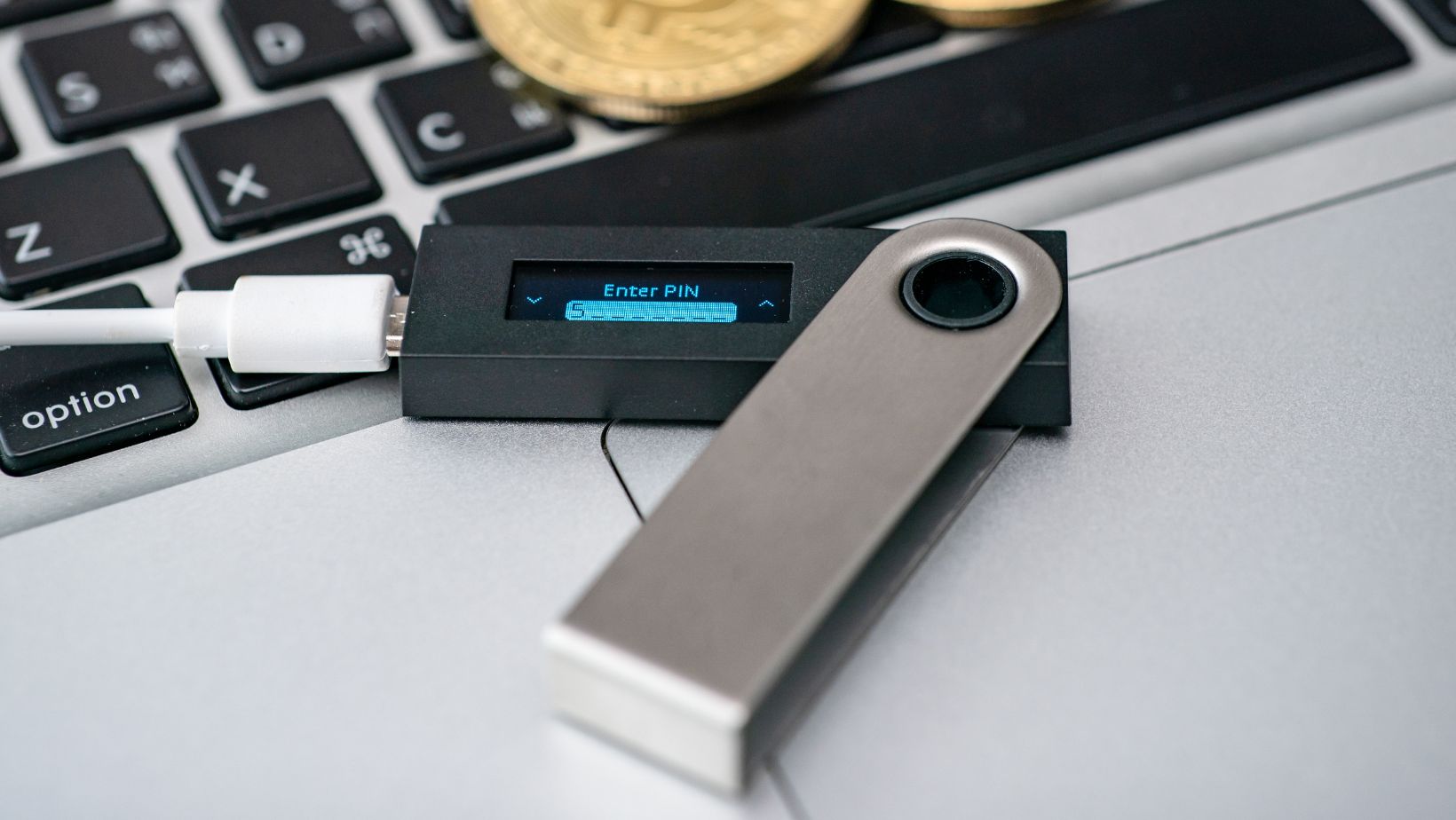
Trezor’s open-source firmware and touchscreen on the Model T provide transparency and ease. Seed backup is handled via the device, and Trezor supports metadata verification for transactions. After setup, pair it with a wallet like MetaMask or Rainbow for everyday Ethereum use.
Software Wallets: MetaMask, Rainbow, Trust Wallet, Coinbase Wallet
MetaMask now supports smart accounts powered by ERC-4337, enabling features like batched transactions and paying gas in ERC-20 tokens. So, you can upgrade your existing account without changing your address or moving funds. To set it up, install the latest extension or mobile version, confirm it’s updated, then switch to a “smart account” when prompted.
Rainbow is a mobile-first wallet with a clean, intuitive interface. Rainbow’s strength is in user experience — managing ENS names, NFTs, and L2 networks is seamless. It works with hardware wallets for added security.
Trust Wallet/Coinbase Wallet offers a simple mobile experience and supports many tokens and chains. Coinbase Wallet, while non-custodial, is closely tied to the Coinbase exchange ecosystem. You can import other wallets via private key or use them independently.
Smart-Contract & Multisig Wallets: Argent & Gnosis Safe
Argent is a mobile Ethereum wallet that provides social recovery (choose trusted friends as guardians), built-in gasless transactions, and protection around DeFi actions. You don’t need to manage a long phrase every time, so it’s ideal for daily use with strong security and flexibility.
Gnosis Safe wallet is designed for shared custody. Use it to set up multiple signer approvals, define transaction policies, or add modules for more security rules. Great for teams, DAOs, or users managing large balances. Even advanced users will appreciate its modular design.
MPC And Hybrid Custody: ZenGo & Institutional Custody
ZenGo wallet eliminates private keys altogether. It uses Multi-Party Computation (MPC) across your device and remote servers, so no single point ever holds the full key or can sign alone. This setup blocks common seed-phrase attacks, reduces the risk of phishing, and allows recovery through biometric authentication instead of memorizing a long phrase. Users get a smoother, more resilient security model that still aligns with non-custodial principles.
For very large holdings or business use, consider custodial options or hybrid solutions. These services typically pair regulated custody with insurance coverage, multi-sig authorization, and strict compliance checks, which reduces operational risk for companies handling high-value assets. The trade-off is reduced decentralization, but the structure makes sense when you need predictable oversight, auditability, and the ability to manage multiple users under one secure system.
Tips To Choose And Secure Your Wallet
Choosing the right Ethereum wallet starts with understanding how you interact with the network. People use Ethereum in very different ways, so the safest setup is the one that fits your habits instead of forcing you into someone else’s workflow.
When picking a wallet, match it to your usage style.
Beginners usually do well with MetaMask’s smart-account setup because it simplifies security without adding friction. If you hold large amounts or manage funds for a team, pairing a Ledger device with a Gnosis Safe multisig provides a stronger base.
Active DeFi users often prefer Argent or Safe because they offer smooth recovery, trusted-contact safeguards, and reliable transaction controls. This kind of structure also works well for on-chain entertainment, including online Ethereum baccarat at the Sportbet.one site, where quick and secure transactions matter.
If you prefer mobile tools and want to avoid seed phrases entirely, ZenGo offers an intuitive MPC design that fits that need. What’s more, security habits matter as much as the wallet itself, so follow these rules;
- Use a hardware wallet alongside your software wallet whenever you sign high-risk or high-value transactions.
- Never reveal or store your recovery phrase online and treat it as your single point of control.
- Review contract approvals regularly and revoke anything you don’t recognize or no longer need
- Double-check smart-account actions as batched operations are convenient but require attention to each included step.
- Keep firmware and app versions updated so your wallet benefits from recent security patches.
- Beware of fake browser extensions, mobile apps, or “support staff” — most compromises start with social engineering, not cryptography.
This way, you’ll be able to choose the right wallet for your coin and keep it safe.