Mobile browsers have, in the past, failed to compete with apps in providing rich, interactive experiences of high fidelity. A long-standing tradeoff between gamers and developers has been the exchange of convenience for performance. This often leads to lag and reduced graphical fidelity. There’s a general sense of clumsiness compared to installed software.
Nevertheless, 2026 is a pivotal year in this dynamic due to three transformational technologies. They’ll converge at once to break these restrictions. The convergence of 5G standalone networks, enhanced functions, and WebRTC protocols, along with edge computing, drives this change. The difference between a web browser and a native application becomes virtually indistinguishable to the end-user.
Modern Users Demand Instant Access Without Downloads
Digital consumer behavior is changing rapidly, now prioritizing instant gratification and hassle-free experiences. People aren’t willing to spend many minutes waiting for files to be installed. They dislike waiting for a new program or game to run on their computers. They’re managing memory capacity just to try a new program or game. Such impatience has led industries to prefer browser-based solutions that can be implemented immediately.
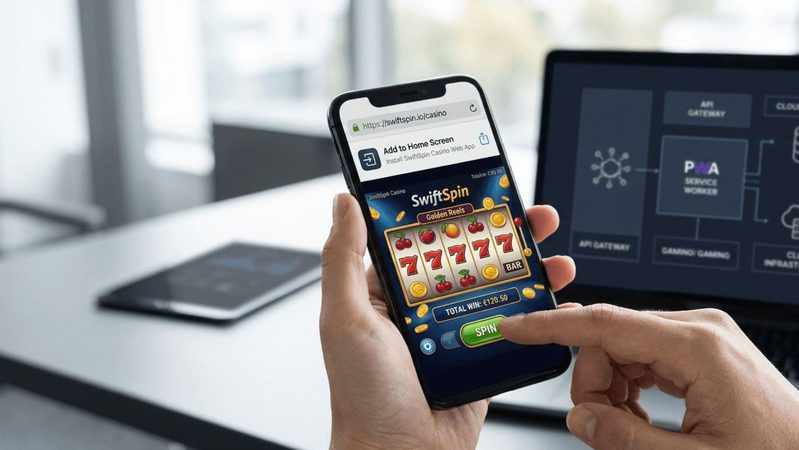
To illustrate, accessibility is the most favored aspect among players, so finding mobile friendly online casinos is the primary focus. These provide a smooth experience directly through a web interface. This trend indicates that the level of engagement increases significantly when the barrier to entry is removed. It’s true regardless of demographic factors.
Authentic Native Feel Requires Minimal Latency and High Frame Rates
Determining what it means to be a digital native is crucial for assessing this change. It’s achieved through silky-smooth frame rates of 60–120 frames per second and touch response times of less than 20 milliseconds.

Accurate mobile browsers struggle to meet this standard when using complex real-time apps. It’s due to rendering bottlenecks and physical distance. The vision for 2026 is to ensure the browser is simply an unobtrusive high-definition viewport for the user. They won’t know if computing is occurring in silicon within the machine or at a server miles away.
5G Standalone Networks Form the Backbone of Connectivity
The infrastructure that enables this is primarily dependent on the maturation of 5G standalone networks. Initial versions of 5G relied on the existing 4G network base, and it’s a stark contrast. Standalone 5G is designed for the 5G cloud age.
The most crucial characteristic here is network slicing, enabling carriers to allocate significant portions of the spectrum. It’s designed for use in real-time gaming and interactive video. This will ensure bandwidth and stability that none of the past sections of mobile connectivity could provide.
WebRTC Protocols Evolve to Handle Complex Data Streams
WebRTC is the vehicle that delivers the content, while the network is the road. The concept of Web Real-Time Communication has evolved significantly beyond its original intention. It isn’t merely for video and voice calls. Similar to in-game broadcasts, WebRTC protocols can be optimized in 2026 to transfer raw game data. Intricate input signals move instantly between the server and mobile browser.
The technology is used to circumvent the slow request-response cycles of the old web standards. It allows a unicast or bi-directional flow of information that is highly graphic and ensures the input lag is in the background. It’s simply not noticeable, regardless of the browser used.
Multi-Access Edge Computing Shortens the Physical Distance
Latency is the bane of physical distance, even with the speed of light. These are where multi-access edge computing comes to the rescue of the physics problem.

Data isn’t transferred to a centralized data center that’s thousands of miles away. Edge computing brings vital capabilities directly to the bottom of the local cell tower. It effectively places the tech at a local hub in the city. Such a radical shortening of physical distance significantly reduces the time required for data transmission. It’s moving round-trip data on round-trip routes in mere milliseconds.
The Trinity of Tech Creates a Seamless User Workflow
When these three technologies are combined, the user experience undergoes a radical transformation. In 2026, a session begins with the device being remotely connected by tapping a link. Within a few seconds, the device is connected to a local Edge server via 5G. It’s running on a slice with a fully dedicated connection.
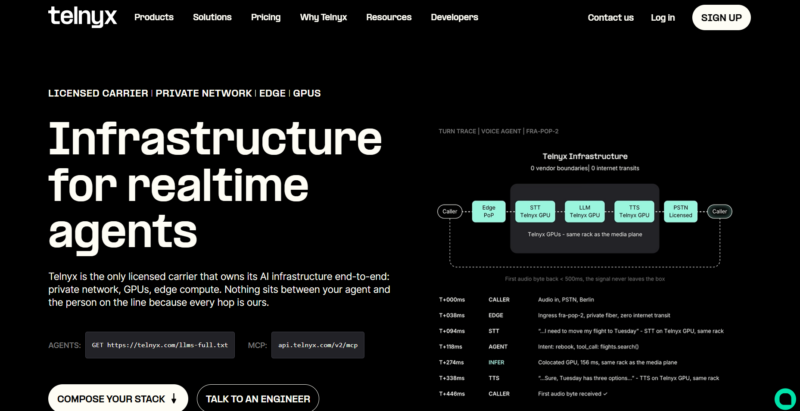
WebRTC is subsequently replacing the need for streaming high-definition visuals and zero-friction inputs. The heavy processing burden is achieved through remote functionality, so it isn’t handled locally. The mobile device serves as both a display and a controller. This is designed to maintain battery life and minimize the risk of overheating for the device. It’s delivering graphics and responsiveness comparable to the very best consoles available.
This Technology Reshapes Interactive Media
The implications of this technological advancement are far-reaching, extending beyond the gaming world. This infrastructure would benefit any industry that’s based on real-time interaction. Real-time interactive sports betting can be realized with almost zero latency. Virtual reality shopping experiences can be made available without the need to spend lots of money on new hardware. Additionally, complex machinery can be safely operated remotely using a smartphone.
The native experience this tech stack offers allows for easy execution of complex, data-intensive processes in an environment similar to a browser. It makes high-performance digital tools accessible to all people.
The End of the App Store Era and Arrival of Instant Immersion
The convergence of 5G, WebRTC delivery, and Edge proximity can eliminate the historical limitations to digital access. In 2026, to the contemporary user, pre-downloading an experience to exalt in it isn’t current. It’ll appear even more retro. The Internet is becoming a real-time flowing river where instantaneous communication takes the place of the tension between installation.
This distinct change indicates a new direction where the browser is the superior platform, now fully ready to handle every single user demand. It’s capable of providing complete immersion and high-fidelity experiences previously reserved for native applications.