For years, independent hotels have quietly wondered whether they could ever compete with the polished systems and deep pockets of major hotel chains. Big brands have entire teams managing revenue strategy, advanced tech stacks, and data tools that feel miles out of reach for smaller properties.
But the landscape has shifted.
Today, high-tech hospitality isn’t reserved for luxury towers with 400 rooms. It’s becoming the new normal, even for 10-room boutiques, family-run inns, and countryside B&Bs. And the driving force behind this shift? Smarter, more accessible technology built specifically for independents.
Among the most transformational tools is modern RMS software, bringing sophisticated forecasting, automated room pricing, and real-time decision-making to hotels of every size. And that’s just the beginning.
Let’s look at how small hotels are going high-tech, what tools actually make a difference, and why this trend is reshaping the future of independent hospitality.
The New Reality: High-Tech Isn’t Optional – It’s the Shortcut to Staying Competitive
A decade ago, small hotels relied heavily on manual spreadsheets, guesswork, and yesterday’s reports. Today, the pace of hospitality is far too fast for that approach. Traveler behaviour changes weekly. Competitor rates fluctuate hourly. Demand can spike instantly with a single local event.
This is where the new generation of revenue management tools steps in. Instead of manually adjusting rates or trying to follow dozens of competitor listings, hotels can now automate the heavy lifting.
The result?
Better pricing decisions, more profitable bookings, and teams who finally get their time back.
But RMS platforms aren’t just about room pricing automation anymore. They combine forecasting, inventory management, competitor benchmarking, and guest insights — all in one place, giving independents the same strategic advantage as big brands.
What Makes Today’s RMS Software So Valuable for Small Hotels?
The biggest myth in hospitality tech is that revenue systems are complicated or “too advanced” for independents. In reality, small hotels are the ones who benefit most. With fewer rooms, every pricing decision matters more, and every missed revenue opportunity has a bigger impact.
A modern RMS helps small properties:
- set competitive rates using real-time market signals
- forecast future demand more accurately
- automate pricing changes, even overnight
- spot slow periods early and adjust to fill gaps
- optimise distribution across OTAs and direct channels
Instead of reacting to the market, hotels finally get ahead of it.
And because newer solutions are built for smaller teams, the interfaces are cleaner, the onboarding is simpler, and the pricing is tailored to independent budgets.
Beyond Room Pricing: Other High-Tech Tools Small Hotels Are Embracing
A true “high-tech” hotel isn’t built on one tool alone. Small properties are adopting a wider ecosystem of digital solutions, many of which are surprisingly affordable.
Smart PMS Systems
Modern property management systems now integrate seamlessly with RMS tools, allowing owners to automate check-ins, centralize operations, and reduce unnecessary admin.
Guest Communication Platforms
Automated messaging helps hotels cut down on phone calls while improving guest satisfaction with instant responses, pre-arrival info, and upsell opportunities.
Digital Door Locks & Mobile Key
No more lost keys. No more late-night check-in panic.
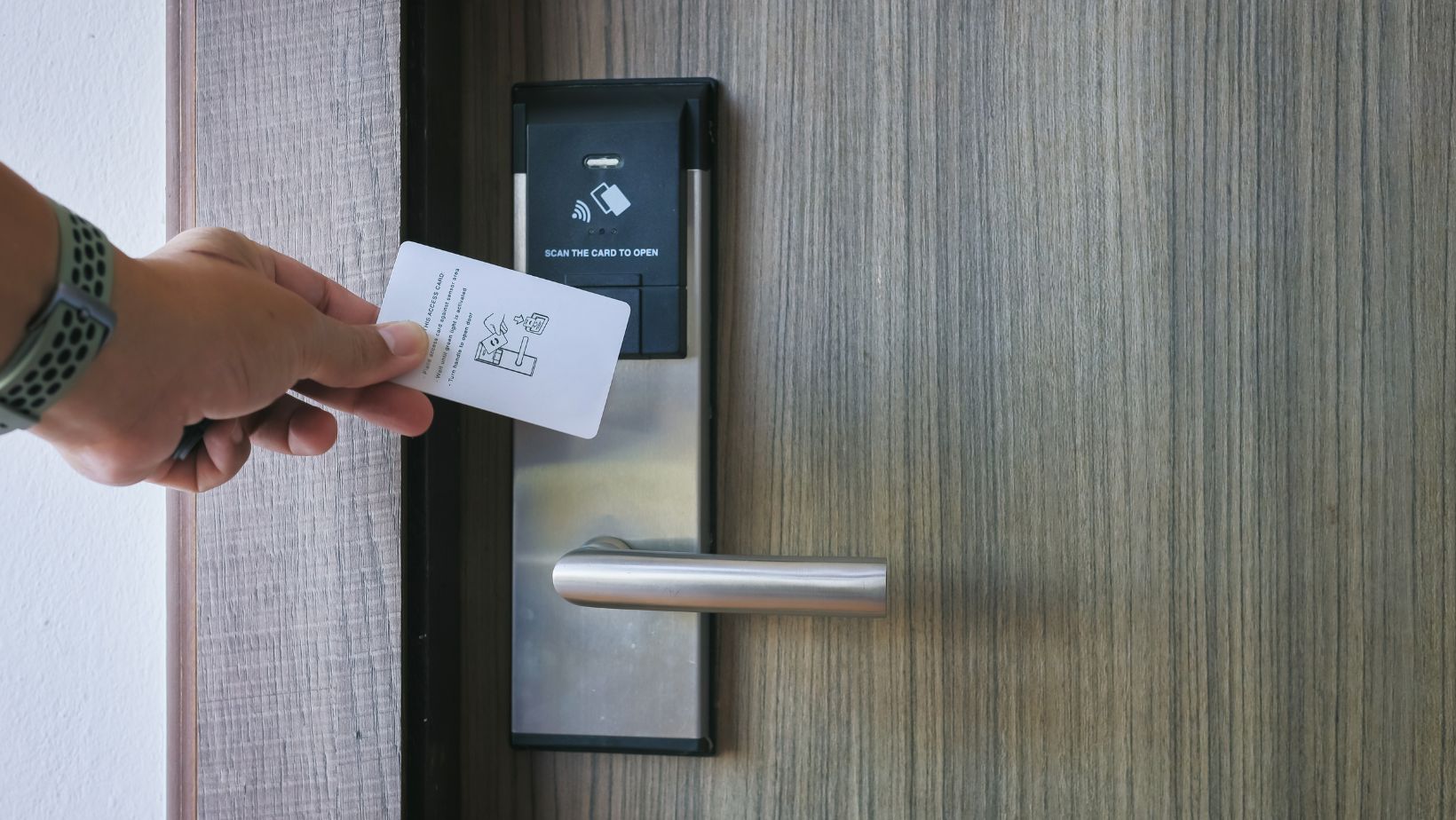
Guests love the convenience, and small hotels love the reduction in manual workload.
In-Stay Upsell Platforms
Tools that offer paid upgrades, breakfast add-ons, or local experiences directly through the guest’s phone, generating high-margin revenue with zero staff effort.
Smart Housekeeping Systems
These apps streamline room readiness, reduce errors, and help small teams stay on top of operations on busy turnover days.
Small hotels aren’t just going high-tech, they’re becoming impressively efficient.
Real Stories: What Happens When Small Hotels Adopt Tech Designed for Them?
Some of the most inspiring industry success stories come from properties that would never describe themselves as “tech-forward.”
A boutique inn in the Lakes District saw a 14% lift in ADR after switching from manual pricing to an automated RMS, simply by capturing higher-value bookings they were previously missing.
A coastal B&B boosted repeat bookings by introducing an automated guest messaging platform that sent personalised stay recommendations and post-stay offers.
A 12-room urban hotel cut hours of admin time each week by pairing their PMS with digital check-in and smart locks, freeing the owners to focus on service rather than paperwork.
These hotels didn’t hire extra staff.
They didn’t launch big marketing campaigns.
They just upgraded their tech.
And the impact was immediate.
How Should a Small Hotel Choose the Right RMS?
Choosing an RMS is less about finding the “fanciest” platform and more about selecting the one that fits your property’s reality. Independent hotels should look for:
1. An Easy-To-Use Interface
Your team should feel comfortable, not overwhelmed.
2. Automation That Actually Helps
Look for smart price recommendations, automatic updates, and clear alerts.
3. Transparent Pricing
Independent hotels need predictable costs, and the best tools are designed with that in mind.
4. Strong Integration Options
A good RMS should work seamlessly with your PMS and channel manager.
5. Support From Hospitality Experts
Independent properties deserve partners who understand their unique challenges, not just a generic software manual.
The Bottom Line: High-Tech Hospitality Is Finally Within Reach
Small hotels don’t need to choose between personal, human service and advanced technology, they can have both. In fact, the right tools make it easier for independent teams to deliver the warm, memorable experiences guests expect.
With accessible pricing, faster setup times, and user-friendly dashboards, modern hospitality tech, especially rms software, is leveling the playing field in a way the industry has never seen before.
For hoteliers ready to compete with the big brands (without acting like them), adopting smart room pricing technology and other digital tools isn’t a luxury… it’s a growth strategy.