Gaming articles danilo bianchi zap-internet
Zap-Internet Delivers Reliable Connectivity Solutions Designed For Homes, Remote Workers, And Small Businesses Seeking Stable Internet Performance.
Gaming corner zap-internet
The Service Combines Modern Infrastructure, Managed Networking Tools, And Straightforward Pricing To Simplify Internet Access.
Gamingcorner zap-internet
Customers Choose Zap-Internet For Consistent Speeds, Low Latency Connections, And Accessible Support Options.
Zap-internet gamingcorner
Its Network Architecture Uses Modern Technologies To Improve Reliability, Reduce Congestion, And Enhance User Experiences.
Zap-internet gaming corner
Zap-Internet Supports Both Residential And Business Customers Through Flexible Plans And Scalable Connectivity Options.
What Is Zap-Internet And Who Is It For?
Zap-Internet Is An Internet Service Provider Focused On Delivering High-Speed Connectivity For Homes And Small Businesses.
The Service Appeals To Families, Remote Employees, Small Offices, And Organizations Requiring Dependable Online Access.
Customers Benefit From Simplified Billing Structures And Managed Networking Services.
Zap-Internet Is Particularly Valuable In Areas Where Traditional Fiber Availability May Be Limited.
The Provider Offers Flexible Installation Options Including Self-Setup And Professional Technician Assistance.
Reliable Connectivity And Responsive Support Help Differentiate Zap-Internet From More Complex Service Alternatives.
How Zap-Internet Works: Network Architecture And Key Features
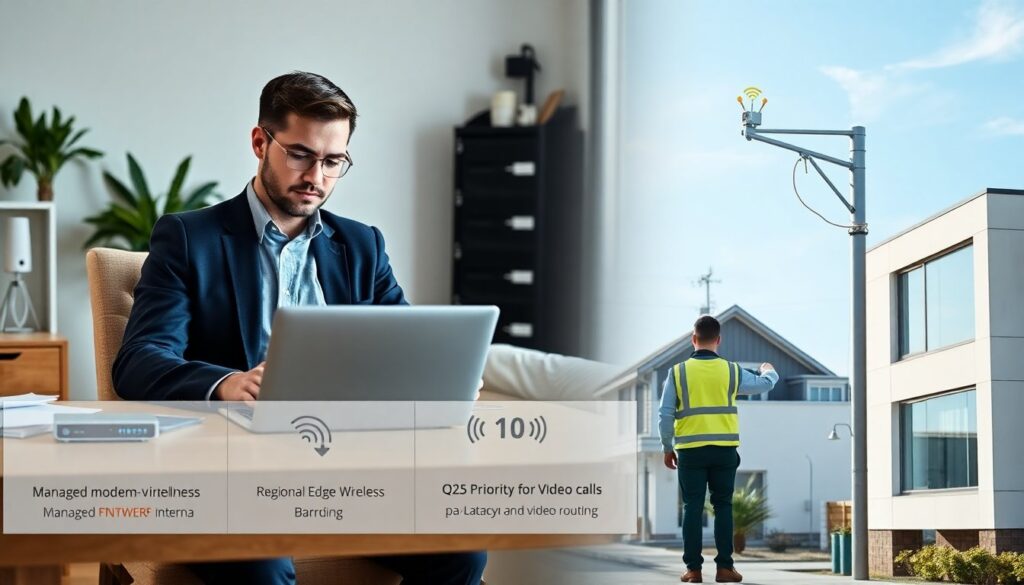
Zap-Internet Connects Users Through A Combination Of Fiber Infrastructure And Fixed Wireless Technologies.
Regional Network Nodes Help Route Traffic Efficiently While Reducing Delays And Improving Content Delivery.
Quality Of Service Features Prioritize Important Applications Such As Video Conferencing And Business Communications.
Continuous Monitoring Tracks Network Performance To Maintain Consistent Service Levels.
Managed Equipment Options Simplify Setup And Maintenance For Customers.
Business Users Can Access Additional Features Such As Service Level Agreements And Priority Support.
Key Technologies Behind Zap-Internet (Fiber, Fixed Wireless, Edge Caching)
Fiber Infrastructure Provides High-Capacity Backbone Connections Across The Network.
Fixed Wireless Technology Extends Coverage Into Areas Where Traditional Wired Deployment Is Less Practical.
Wireless Links Use Strategically Positioned Equipment To Deliver Stable Connections To Customers.
Edge Caching Improves Performance By Storing Frequently Accessed Content Closer To End Users.
Reduced Distance Between Content And Customers Helps Lower Latency And Improve Load Times.
Together These Technologies Create A Balanced Network Designed For Speed And Reliability.
Plans, Pricing, And Coverage: Choosing The Right Zap Plan
Zap-Internet Provides Multiple Service Tiers Designed For Different Usage Requirements.
Entry-Level Plans Support Basic Browsing, Communication, And Streaming Activities.
Higher-Tier Options Accommodate Households With Multiple Devices And Increased Bandwidth Demands.
Business Plans Include Enhanced Support Features And Additional Networking Capabilities.
Coverage Availability Depends On Geographic Location And Existing Infrastructure.
Customers Can Evaluate Available Plans Based On Performance Needs, Budget, And Service Features.
Setting Up Zap-Internet At Home Or Office: Step-By-Step
Installation Begins With Either A Self-Setup Kit Or A Scheduled Technician Visit.
Users Connect Equipment, Power The Device, And Follow Guided Activation Instructions.
The System Automatically Configures Essential Network Settings During Setup.
Fixed Wireless Installations Require Proper Antenna Positioning To Maximize Signal Strength.
Business Installations May Include Advanced Configuration Such As VLANs And Static Address Assignments.
After Testing And Verification, Service Activation Is Confirmed And Ready For Daily Use.
Tips For Optimizing Performance And Troubleshooting Common Issues
Positioning Network Equipment In A Central Location Helps Improve Wireless Coverage.
Keeping Firmware Updated Ensures Devices Benefit From Security Improvements And Performance Enhancements.
Testing Directly Through The Primary Device Helps Distinguish Wi-Fi Issues From Service Problems.
Restarting Equipment Can Resolve Temporary Network Interruptions And Connectivity Errors.
Fixed Wireless Customers Should Verify Antenna Alignment And Maintain Clear Signal Paths.
Diagnostic Tools Available Through The Customer Portal Help Identify And Resolve Common Issues Quickly.
Security, Privacy, And Controls: What Zap Offers For Families And Businesses
Zap-Internet Includes Security Features Designed To Protect Both Residential And Business Networks.
Customers Can Configure Firewalls, Guest Networks, And Parental Controls Through Management Tools.
Modern Wireless Security Standards Help Protect Connections Against Unauthorized Access.
Business Accounts Benefit From Additional Networking Controls Such As VLAN Support And VPN Compatibility.
Optional Security Services Include Enhanced DNS Protection And Advanced Monitoring Features.
Privacy Policies And Account Security Measures Help Ensure Responsible Handling Of Customer Information.